
One of the most common and important questions patients ask is: can I get implants if I have severe bone loss?
For many years, severe bone loss in the upper jaw meant that dental implants were either extremely complex, required long bone-grafting procedures, or were considered impossible. Today, thanks to advanced implantology techniques, this is no longer the case. The answer for many patients is yes, through a specialized treatment known as zygomatic implants.
This article explains clearly and professionally what severe bone loss means, why conventional implants may not be suitable, and how the zygomatic solution makes implant treatment possible even in advanced cases.
What Does Severe Bone Loss Mean in Implant Dentistry?
Bone loss occurs when teeth are missing for a long period of time, often due to:
-
Tooth extractions without replacement
-
Advanced periodontal disease
-
Long-term use of dentures
-
Trauma or infection
In the upper jaw, bone loss can be particularly severe because the bone is naturally softer and thinner. When bone volume is insufficient, traditional implants cannot achieve the stability required for long-term success.
This is why many patients ask, can I get implants if I have severe bone loss, after being told elsewhere that implants are not an option.
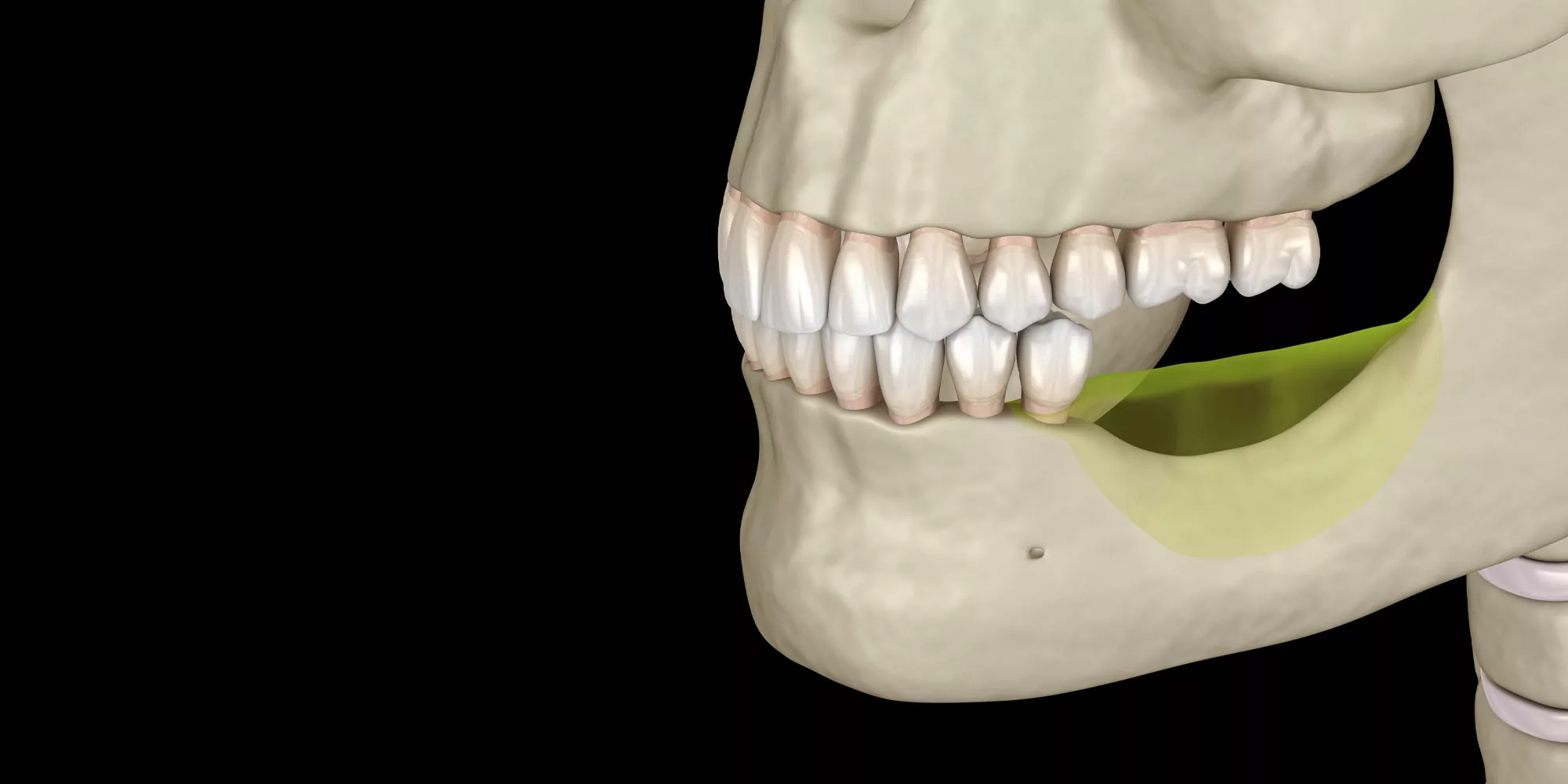
Why Traditional Implants May Not Work with Severe Bone Loss
Standard dental implants rely on sufficient jawbone to anchor securely. In cases of advanced bone loss, patients are often advised to undergo:
-
Bone grafting
-
Sinus lift procedures
-
Multiple surgical stages over many months
While these approaches can work in some cases, they are not always predictable, may involve long healing times, and are not suitable for every patient.
The Zygomatic Solution Explained
Zygomatic implants offer a different and highly advanced approach for patients with severe upper jaw bone loss.
Instead of anchoring the implant into the maxillary (upper jaw) bone, zygomatic implants are anchored into the zygomatic bone, also known as the cheekbone. This bone is dense, strong, and does not resorb in the same way as the jawbone.
For patients wondering can I get implants if I have severe bone loss, zygomatic implants often provide a reliable and immediate alternative.
Who Is a Candidate for Zygomatic Implants?
Zygomatic implants are typically recommended for patients who:
-
Have severe or extreme bone loss in the upper jaw
-
Have been told they are not candidates for traditional implants
-
Want to avoid bone grafting procedures
-
Wear loose or unstable upper dentures
-
Need full-arch rehabilitation
A detailed clinical and radiological evaluation is essential to determine suitability.
Advantages of Zygomatic Implants
For patients asking can I get implants if I have severe bone loss, the zygomatic solution offers several advantages:
-
No need for bone grafting in most cases
-
Use of existing strong cheekbone structure
-
Faster treatment timelines
-
High primary stability
-
Suitable for complex and advanced cases
In many situations, zygomatic implants allow for fixed teeth even when other methods have failed.
Treatment Timeline and Recovery
Zygomatic implant treatment is typically performed by highly experienced implantologists due to its technical complexity.
In many cases:
-
Implant placement and temporary fixed teeth can be done in a single phase
-
Recovery is closely monitored
-
Final restorations are placed after proper healing and stabilization
Despite the advanced nature of the procedure, many patients report improved comfort and function compared to removable dentures.
Are Zygomatic Implants Safe?
When performed by an experienced implantology team using proper planning and 3D imaging, zygomatic implants have shown high success rates in long-term studies.
Safety depends on:
-
Accurate diagnostics
-
Surgical expertise
-
Proper case selection
-
Structured follow-up care
This is why patients with severe bone loss should always seek a clinic specialized in advanced implantology.
Final Answer: Can I Get Implants If I Have Severe Bone Loss?
For many patients, the answer to can I get implants if I have severe bone loss is no longer limited by bone volume alone. Thanks to zygomatic implants, even severe upper jaw bone loss does not automatically exclude implant treatment.
With the right expertise, planning, and technology, the zygomatic solution offers a predictable and long-term option for restoring fixed teeth when traditional implants are not possible.
If you have been told implants are not an option due to bone loss, a specialist evaluation may reveal that advanced implant solutions are still available.


