
Introduction
For patients struggling with missing or severely damaged teeth, the All-on-4 dental implant technique has become one of the most advanced and life-changing solutions available today. It allows a full set of fixed teeth to be supported by just four implants, restoring both function and aesthetics in a relatively short time.
Despite its benefits, one of the most common questions patients ask is about the All-on-4 cost in the UK. The price can be substantial, and in many cases, higher than patients initially expect. Understanding what drives these costs, what is included in the treatment, and how prices compare internationally is essential before making a decision.
This guide provides a clear and realistic overview of pricing in the UK, while also helping you evaluate whether it represents the best value for your situation.
What Is the All-on-4 Treatment?
All-on-4 is a full-arch rehabilitation technique designed to replace an entire row of teeth using only four dental implants. These implants are strategically placed in areas of the jaw where bone density is strongest, often eliminating the need for complex bone grafting procedures.
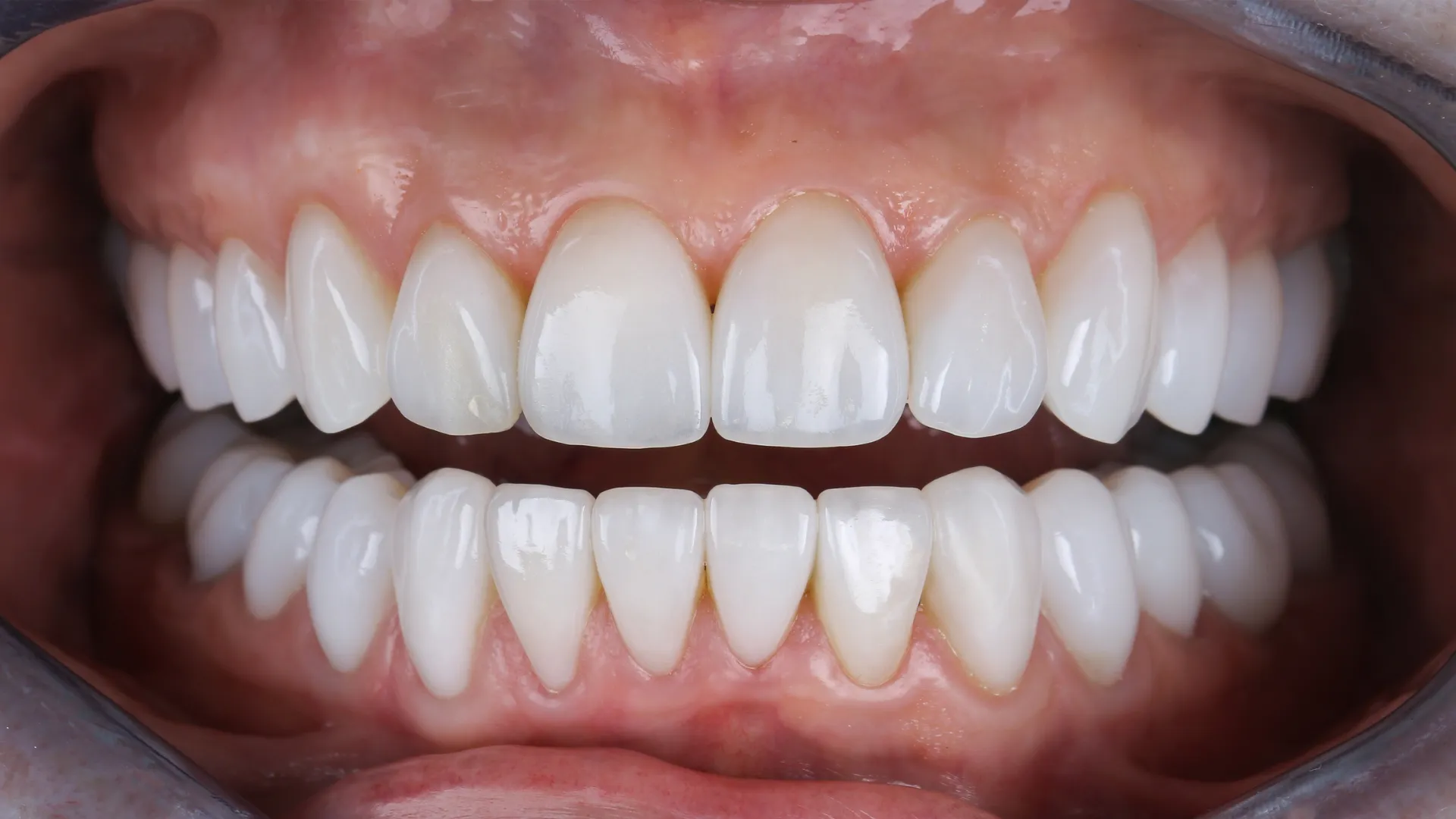
Once the implants are placed, they support a fixed prosthesis that looks and functions like natural teeth. In many cases, patients receive temporary teeth within 24 to 72 hours, allowing them to leave the clinic with a functional smile almost immediately.
This approach has become particularly popular among patients who currently wear dentures or have been told they are not suitable candidates for traditional implants due to bone loss.
Average All-on-4 Cost in the UK
The All-on-4 cost in the UK typically ranges from £10,000 to £18,000 per arch. For patients requiring treatment on both the upper and lower jaws, the total cost can rise to between £20,000 and £36,000.
This variation in pricing depends on several factors, including the clinic’s location, the expertise of the dental surgeon, and the materials used for the final prosthetic teeth. Clinics in major cities such as London tend to be at the higher end of the price spectrum due to increased operational costs.
While many clinics advertise starting prices, it is important to understand that these figures often represent only the base cost. The final amount can increase significantly once additional procedures and individual patient needs are taken into account.
What Is Included in the Price?
In most cases, the quoted price for All-on-4 treatment in the UK includes the initial consultation, diagnostic imaging such as X-rays or 3D scans, and the surgical placement of the implants. Patients are also typically provided with a temporary prosthesis shortly after surgery, followed by a permanent set of teeth once healing is complete.
However, not all clinics include every aspect of treatment in their advertised price. Additional procedures such as tooth extractions, bone grafting, or sedation are often charged separately. This lack of standardization can make it difficult for patients to compare clinics directly and understand the true cost of treatment.
For this reason, a detailed and transparent treatment plan is essential before committing to any procedure.
Why Is All-on-4 So Expensive in the UK?
The high cost of All-on-4 treatment in the UK is influenced by several structural and economic factors. One of the primary drivers is the overall cost of running a dental practice. Clinics must cover expenses such as rent, staff salaries, equipment, and strict regulatory compliance, all of which contribute to higher treatment prices.
Another important factor is the level of expertise required to perform implant surgery. All-on-4 is a complex procedure that demands advanced surgical training and experience. Highly qualified implantologists typically charge more for their services, reflecting both their skill level and the risks involved in the procedure.
Technology also plays a significant role in pricing. Modern implantology relies on digital planning tools, 3D imaging, and precision-guided surgery, all of which improve outcomes but also increase costs. Additionally, high-quality implant systems and prosthetic materials add to the overall expense.
Finally, laboratory work represents a substantial portion of the total cost. The final prosthetic teeth are custom-designed and fabricated, often requiring multiple stages of adjustment to ensure a perfect fit and natural appearance.

Treatment Timeline
Typical process:
-
Consultation and planning
-
Implant placement
-
Temporary teeth (same day or within 72 hours)
-
Healing period (3–6 months)
-
Final prosthetic placement
Hidden and Additional Costs
One of the most important considerations for patients is the potential for additional costs beyond the initial quote. These can include tooth extractions, which may be necessary before implant placement, as well as procedures such as bone grafting or sinus lifts for patients with insufficient bone volume.
Sedation or general anesthesia may also be recommended in more complex cases, adding further to the total cost. When all these elements are considered, the final price of All-on-4 treatment in the UK can be significantly higher than the advertised starting point.
This is why patients should approach low initial quotes with caution and always request a comprehensive breakdown of costs.
All-on-4 Cost in the UK vs Abroad
Due to high prices, many patients explore dental tourism.
Comparison Example
| Location | Cost per Arch | Full Mouth |
|---|---|---|
| UK | £10,000 – £18,000 | £20,000 – £36,000 |
| Europe (e.g., Albania) | £3,500 – £7,000 | £7,000 – £14,000 |
Why cheaper abroad?
-
Lower operational costs
-
Competitive medical tourism market
-
Government-supported healthcare sectors
Patients can often save 50–70% without compromising quality.
Comparing the UK to Treatment Abroad
Due to the high cost of dental care in the UK, many patients are now exploring treatment options abroad. Countries such as Albania, Hungary, and Turkey have become popular destinations for dental tourism, offering the same procedures at significantly lower prices.
In some cases, the cost of All-on-4 treatment abroad can be 50 to 70 percent lower than in the UK. This difference is largely due to lower operational costs, reduced labor expenses, and a more competitive healthcare market focused on international patients.
However, lower cost does not automatically mean lower quality. Many clinics abroad operate with modern technology, internationally trained dentists, and strict hygiene standards. The key is careful selection and thorough research.
Is It Worth Going Abroad?
For many patients, traveling abroad for dental treatment is not just about saving money, but also about accessing high-quality care at a more reasonable price. That said, the decision should not be based on cost alone.
Patients should evaluate the qualifications of the dental team, review before-and-after cases, and ensure that the clinic provides a clear treatment plan and follow-up support. Communication is also critical, particularly when dealing with complex procedures like All-on-4.
When these factors are properly addressed, dental tourism can offer excellent value without compromising safety or results.
Long-Term Value of All-on-4
Although the initial investment is high, All-on-4 should be viewed as a long-term solution. With proper care and maintenance, dental implants can last for decades, while the prosthetic teeth may require replacement after ten to fifteen years.
Compared to ongoing costs associated with dentures or repeated dental treatments, All-on-4 can provide both financial and lifestyle benefits over time. Patients often report improved confidence, better chewing ability, and a significant enhancement in overall quality of life.
Conclusion
The All-on-4 cost in the UK reflects a combination of clinical expertise, advanced technology, and the broader economic environment of private healthcare. While the procedure offers a highly effective and permanent solution for full-mouth rehabilitation, the price can be a barrier for many patients.
Understanding what is included, what additional costs may arise, and how UK pricing compares to international options allows patients to make a more informed decision. Ultimately, the best choice is one that balances cost, quality, and long-term outcomes.
Final Note
If you are considering All-on-4 treatment, the most important step is a professional evaluation. Every case is different, and a personalized treatment plan will provide clarity on both the procedure and the total cost involved.