
Over the past decade, the landscape of dental care has shifted significantly. Patients are no longer confined to choosing clinics within their immediate geographic area. Instead, they are making highly informed decisions, often traveling internationally to access better expertise, improved technology, and more predictable outcomes. Nowhere is this trend more visible than in the field of advanced implant dentistry.
For patients in London, where dentistry is widely available but often fragmented across general practices, the appeal of specialized centers in Europe is becoming increasingly clear. These patients are not simply looking for treatment—they are seeking comprehensive solutions for complex dental conditions, delivered with precision and efficiency.
This evolution reflects a broader transformation in patient behavior. Dentistry is no longer viewed as a routine service but as a critical investment in long-term health, function, and appearance. As a result, Europe has positioned itself as a leading destination for advanced implant dentistry, attracting patients who prioritize clinical excellence over convenience.
Understanding Advanced Implant Dentistry
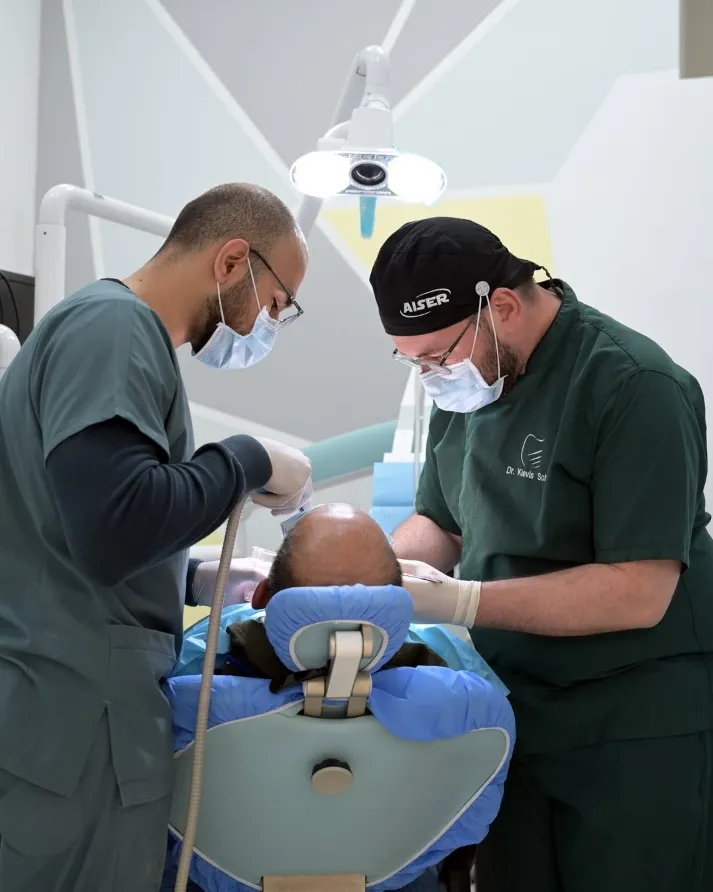
Advanced implant dentistry represents the highest level of restorative dental care. It is designed for patients with significant tooth loss, bone deterioration, or failed previous treatments. Unlike conventional implant procedures, these cases require a deep understanding of oral surgery, prosthodontics, and digital planning.
In many situations, patients present with complex anatomical challenges. Severe bone loss, sinus proximity, or long-term denture use can make standard implant placement impossible without advanced techniques. This is where specialized procedures such as full-arch rehabilitation or zygomatic implants become essential.
The success of these treatments depends not only on surgical skill but also on precise planning and execution. Digital workflows, 3D imaging, and guided surgery protocols allow clinicians to design highly accurate treatment plans. The margin for error is minimal, which is why experience and specialization play such a critical role.
The Limitations of Local Treatment in London
London is home to many reputable dental practices, yet the structure of the market often limits access to highly specialized implant care. Most clinics operate within a general dentistry model, offering a wide range of services but not necessarily focusing on complex implantology.
Patients requiring full-mouth reconstruction or advanced surgical procedures are often referred between multiple providers. This can create a fragmented treatment experience, where diagnosis, surgery, and prosthetics are handled separately. The lack of integration may affect both efficiency and overall outcomes.
Cost is another important consideration. Advanced implant treatments in London are among the most expensive in Europe, often reflecting high operational costs rather than a proportional increase in clinical value. For patients, this raises an important question: is the premium justified by the level of specialization and results?
In many cases, patients discover that equally or more experienced clinicians are available elsewhere in Europe, operating within dedicated implant centers that offer a more cohesive and streamlined approach.
Europe as a Center of Excellence
Across Europe, a different model of dental care has emerged—one that emphasizes specialization, efficiency, and high case volumes. Clinics focusing exclusively on implantology have developed deep expertise by treating complex cases on a daily basis.
This concentration of experience leads to a higher level of clinical confidence and consistency. When a team performs hundreds of full-arch restorations each year, they refine their techniques, improve workflows, and reduce complications. Over time, this creates a level of mastery that is difficult to replicate in lower-volume environments.
Technology also plays a central role. Many European clinics invest heavily in digital systems that enhance both planning and execution. From cone-beam CT scans to computer-guided implant placement, these tools allow for a level of precision that significantly improves outcomes. Patients benefit from shorter procedures, faster recovery times, and more predictable results.
Another important factor is the competitive nature of the European private dental sector. Clinics must continuously elevate their standards to attract international patients. This dynamic encourages innovation, better patient communication, and a strong focus on overall experience.
Safety and Quality Considerations
Traveling abroad for dental treatment requires due diligence. Patients should evaluate:
- Surgeon experience and credentials
- Number of implant cases performed
- Before-and-after clinical results
- стерilization protocols and standards
- Patient reviews and testimonials
Reputable clinics in Europe adhere to strict medical standards and prioritize patient safety and long-term outcomes.
The Evolution of Dental Tourism
The concept of dental tourism has matured considerably. It is no longer associated with low-cost, high-volume treatments aimed purely at affordability. Instead, it has evolved into a premium healthcare pathway for patients seeking advanced solutions.
Today’s international patients are highly informed. They conduct extensive research, compare clinics, and evaluate credentials before making a decision. Their expectations are aligned with those of private healthcare consumers: they want transparency, professionalism, and measurable results.
Traveling for treatment is now viewed as a strategic decision rather than a compromise. Patients are willing to leave London not to save money alone, but to access clinics that specialize in their specific condition. The emphasis has shifted from price to value, from convenience to expertise.
Clinical and Practical Advantages
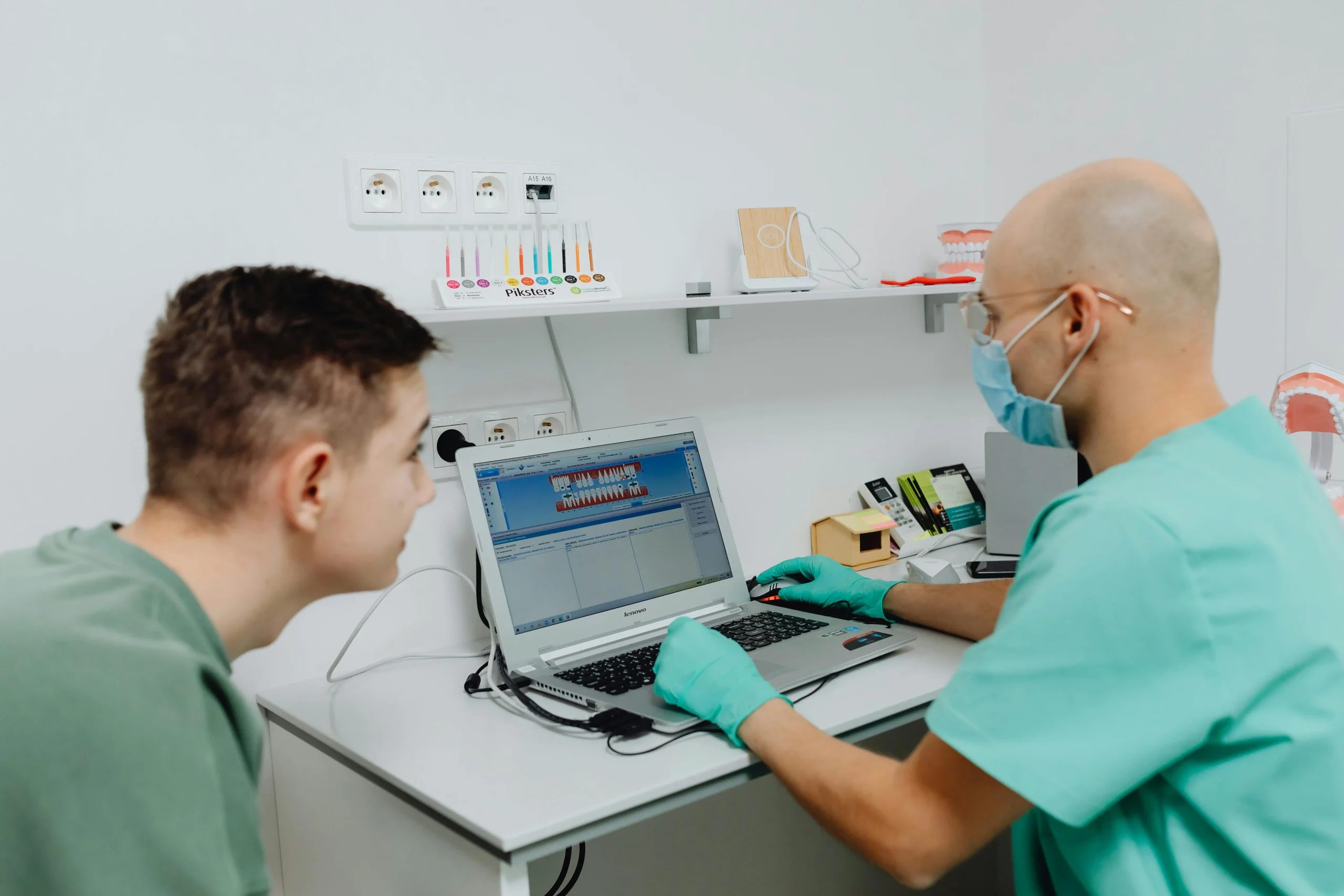
One of the most significant advantages of seeking advanced implant dentistry in Europe is the ability to receive comprehensive care within a condensed timeframe. Instead of navigating multiple appointments over several months, patients can often complete key stages of treatment in a single visit.
This efficiency is made possible by integrated clinical teams and optimized workflows. Diagnosis, surgical planning, implant placement, and temporary restoration can be coordinated seamlessly. For international patients, this reduces both logistical complexity and time away from work or personal commitments.
Another important advantage lies in the availability of advanced procedures. Techniques such as immediate loading or alternative implant placement for severe bone loss are more commonly performed in specialized European centers. This expands the range of treatment options for patients who may have been told they are not suitable candidates elsewhere.
Experience with international patients further enhances the process. Clinics are accustomed to managing remote consultations, organizing treatment schedules, and providing clear communication throughout the journey. This structured approach minimizes uncertainty and ensures that patients feel supported at every stage.
Reframing Cost as Value
While financial considerations remain relevant, the conversation around cost has become more nuanced. Patients are increasingly evaluating treatment decisions in terms of long-term value rather than upfront expense.
A successful implant treatment is expected to last many years, if not decades. It restores not only function but also confidence and quality of life. When viewed through this lens, the choice of clinic becomes a matter of risk management as much as cost.
European clinics often present a compelling value proposition. By combining specialization, advanced technology, and competitive pricing, they offer a balance that is difficult to achieve in high-cost urban markets like London. For many patients, this represents an optimal intersection of quality and investment.
Safety, Standards, and Patient Confidence
Safety remains a central concern for any patient considering treatment abroad. Reputable clinics address this by maintaining strict clinical protocols, investing in modern sterilization systems, and adhering to international standards of care.
Transparency is also critical. Patients should have access to detailed treatment plans, clear communication about procedures, and realistic expectations regarding outcomes. Trust is built through consistency, professionalism, and demonstrated expertise.
As awareness grows, patients are becoming more adept at evaluating these factors. They look beyond marketing claims, focusing instead on clinical evidence, case documentation, and the depth of experience within a practice.
Conclusion
The decision to travel from London to Europe for advanced implant dentistry reflects a fundamental shift in how patients approach healthcare. It is no longer defined by proximity, but by precision, specialization, and long-term results.
Europe has established itself as a destination where these priorities are met. Through dedicated implant centers, high levels of expertise, and a commitment to innovation, it offers a standard of care that aligns with the expectations of modern patients.
For those facing complex dental challenges, the question is no longer whether to travel, but where to find the highest level of clinical confidence. Increasingly, the answer lies within Europe.