
For many patients across the UK, full mouth restoration represents a turning point — not just for oral health, but for confidence, function, and quality of life. Yet despite the clinical benefits, a major barrier continues to dominate decision-making: the financial structure of treatment.
In the UK, comprehensive dental rehabilitation is frequently tied to extended finance plans, often spanning five to ten years. While these payment structures are designed to increase accessibility, they also introduce long-term financial obligations that many patients are increasingly reluctant to accept. Interest accumulation, credit checks, and prolonged commitments can turn a necessary medical procedure into a drawn-out financial burden.
As a result, a growing number of patients are actively searching for alternatives. The key question is no longer whether treatment is possible, but rather how it can be achieved without entering into long-term finance agreements.
This guide explores the most viable full mouth restoration options available to UK patients who prefer to avoid extended financing, with a focus on cost-efficiency, clinical effectiveness, and long-term value.
Understanding Full Mouth Restoration
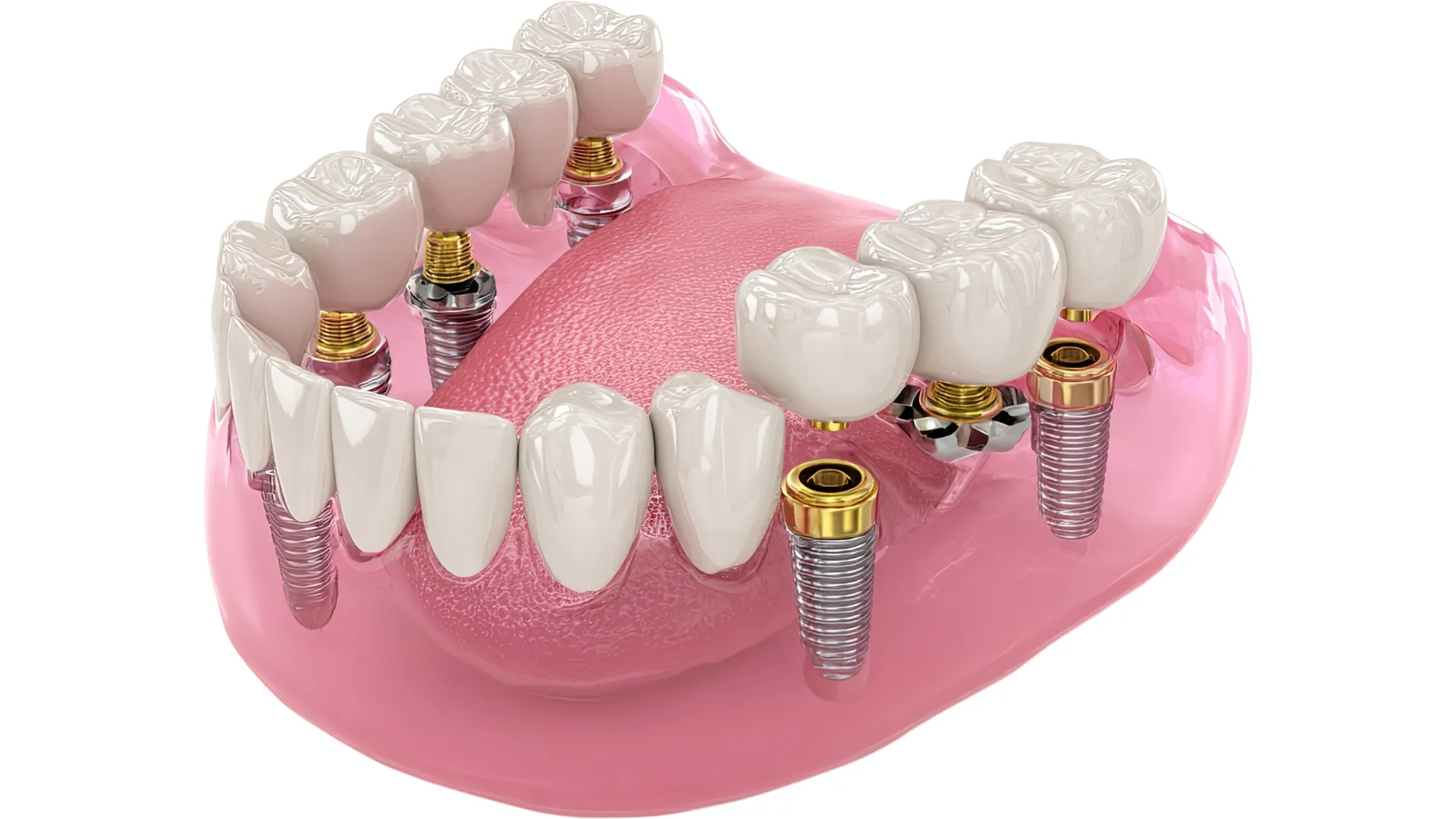
Full mouth restoration, also referred to as full mouth rehabilitation, is a comprehensive dental approach designed to restore or replace all teeth within the upper and lower arches. It is typically indicated in cases involving extensive tooth loss, severe decay, advanced periodontal disease, or long-term failure of previous dental work.
The process is highly individualized and may involve a combination of implantology, prosthodontics, and general dentistry. In modern practice, dental implants have become the gold standard for full mouth restoration, particularly in the form of full-arch solutions such as All-on-4 or All-on-6 systems. These techniques allow for the placement of a fixed prosthesis supported by strategically positioned implants, offering both functional stability and aesthetic improvement.
For patients seeking a permanent solution, implants provide superior longevity and comfort compared to removable alternatives. However, this level of treatment also carries a significant cost, especially within the UK market.
The Financial Reality in the UK
The cost of full mouth restoration in the UK reflects both clinical expertise and operating overheads. While quality of care is generally high, pricing can quickly escalate into a range that becomes inaccessible without financial assistance.
It is not uncommon for full mouth implant treatments to exceed £25,000, with more complex cases reaching £40,000 or more. Even single-arch solutions such as All-on-4 can cost upwards of £12,000 per arch. Faced with these figures, many clinics structure their offerings around monthly finance plans, effectively transforming treatment into a long-term financial product.
For patients who value financial independence or wish to avoid debt entirely, this model creates friction. The desire to resolve dental issues quickly and decisively conflicts with the reality of multi-year repayment commitments.
Upfront Payment Within the UK: A Limited Pathway
One obvious alternative is to bypass finance entirely and pay for treatment upfront within the UK. While this eliminates interest and long-term obligations, it requires immediate access to substantial capital. For most patients, this is not a practical solution.
Even for those who can afford it, the cost-to-value ratio often comes into question. Patients are increasingly aware that similar procedures may be available elsewhere at significantly lower prices without compromising clinical outcomes. This awareness has contributed to a shift in patient behavior over the past decade.
Phased Treatment as a Transitional Strategy
Another approach involves dividing treatment into stages, addressing one arch or quadrant at a time. This allows patients to spread costs over a shorter period without entering formal finance agreements.
While this method can reduce immediate financial pressure, it introduces clinical and lifestyle compromises. Treatment duration is extended, and patients may need to rely on temporary restorations between phases. In cases requiring full rehabilitation, this staggered approach is often less efficient and can prolong discomfort or functional limitations.
Temporary Restorations and Their Limitations
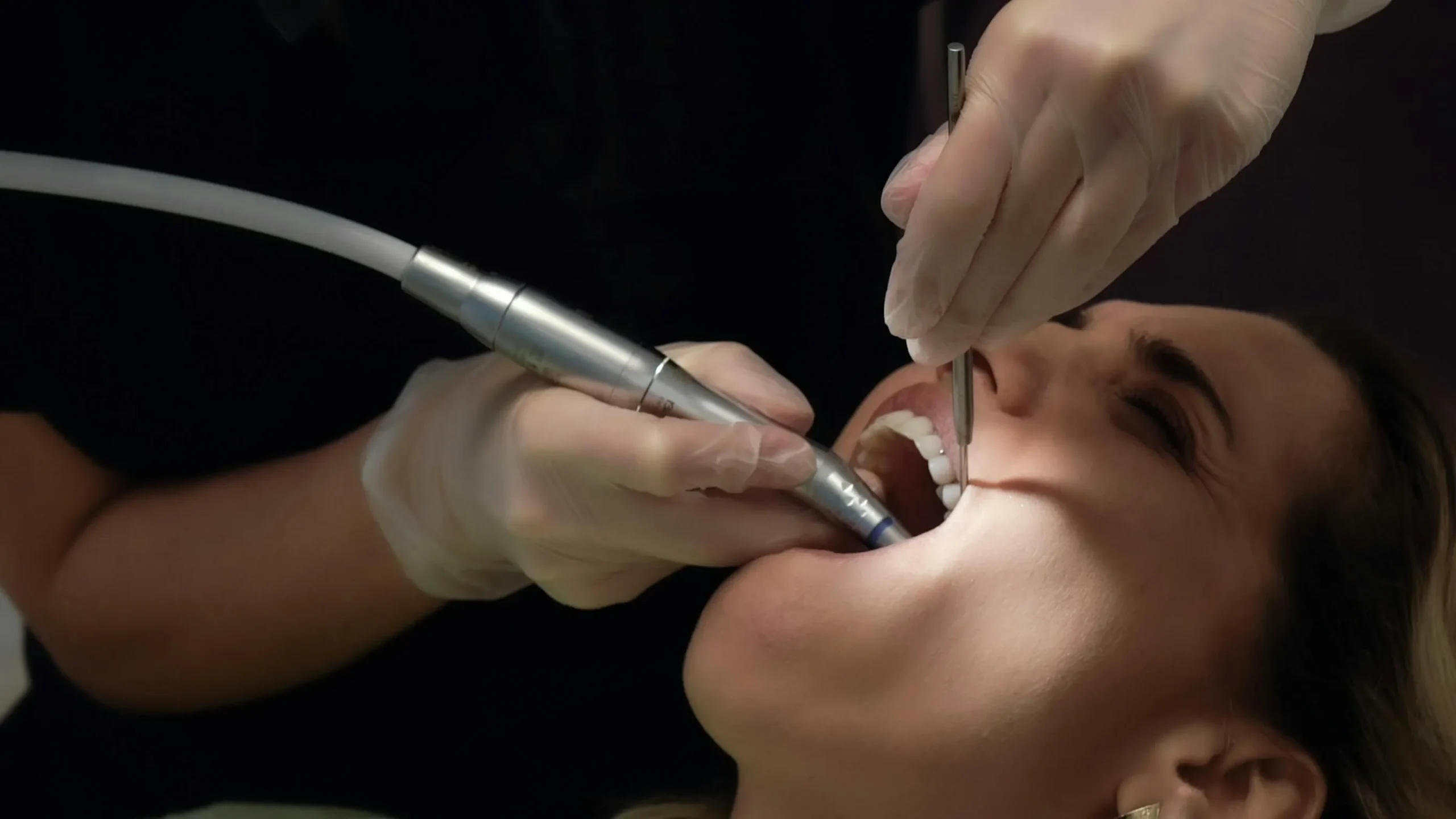
Some patients consider removable dentures or interim prosthetic solutions as a way to delay or reduce costs. While these options can provide short-term improvements in appearance and function, they are inherently limited in stability, durability, and comfort.
Modern dentures have improved significantly in design and materials, yet they still fall short of replicating the feel and performance of implant-supported teeth. Over time, bone resorption and changes in oral structure can further compromise fit, leading to ongoing adjustments and replacements.
As such, temporary restorations are best viewed as transitional solutions rather than definitive alternatives.
Dental Tourism: A Structural Shift in Patient Decision-Making
Over the past decade, dental tourism has evolved from a niche option into a mainstream solution for patients seeking high-quality treatment without financial strain. Countries with lower operating costs and a strong focus on international patients have positioned themselves as competitive alternatives to the UK.
The economic advantage is substantial. Full mouth restoration procedures that may cost £25,000 or more in the UK can often be completed abroad for a fraction of that amount. Even when factoring in travel and accommodation, the total expenditure remains significantly lower.
This pricing differential allows patients to pay upfront, completely avoiding finance structures while still accessing advanced implantology procedures. Importantly, many of these clinics invest heavily in modern technology, digital planning systems, and specialized surgical expertise, ensuring that cost reduction does not equate to reduced quality.
Clinics such as Advanced Implantology Center have built their model around precisely this value proposition, combining implant specialization with affordability and streamlined treatment protocols for international patients.
Clinical Safety and Quality Considerations
A common concern among patients considering treatment abroad is safety. This is a valid consideration, but it should be evaluated based on objective criteria rather than geographic assumptions.
Key indicators of a reliable clinic include specialization in implantology, use of advanced diagnostic tools such as CBCT imaging, adherence to sterilization protocols, and a demonstrable track record of successful cases. When these standards are met, outcomes can be comparable to, or in some cases exceed, those available domestically.
The decision ultimately depends on due diligence. Patients who take the time to evaluate clinics thoroughly often find that dental tourism offers a compelling balance between cost and quality.
A Strategic Approach to Avoiding Finance
Patients who wish to avoid long-term financial commitments are increasingly adopting a more strategic approach to treatment planning. Rather than defaulting to local finance options, they assess the broader landscape, comparing total costs, treatment timelines, and clinical outcomes across different regions.
In many cases, the most effective strategy involves saving a portion of the required funds and completing treatment abroad within a shorter timeframe. This approach eliminates interest, reduces overall expenditure, and accelerates the path to a permanent solution.
Conclusion
Full mouth restoration remains one of the most impactful procedures in modern dentistry, but the way it is accessed is changing. For UK patients who prefer not to engage in extended finance plans, viable alternatives do exist.
Whether through upfront payment, phased treatment, or international care, the key is to align clinical needs with financial preferences. Among these options, dental tourism stands out as the most efficient pathway for achieving high-quality results without long-term financial obligations.
Patients are no longer limited to a single system. With the right information and a strategic approach, it is entirely possible to restore both oral health and financial control simultaneously.