
Pain after a dental implant is usually normal during the first few days after surgery. Implant placement involves the gum and jawbone, so some tenderness, swelling and soreness are expected while the tissues begin to heal.
What matters most is not whether you have any pain at all. It is how the pain changes over time.
Normal postoperative discomfort generally becomes easier to manage as healing progresses. Pain that becomes significantly worse after initially improving, remains severe, appears weeks or months later, or occurs together with swelling, pus, fever, implant movement or altered sensation should be evaluated.
This guide explains how long pain after a dental implant normally lasts, why an implant may hurt, which symptoms can indicate a complication and when you should contact your implant dentist.
If you are still considering implant treatment rather than recovering from surgery, our complete guide to dental implants explains implant placement, osseointegration and treatment planning in more detail.
This article provides general educational information. If you have recently undergone implant surgery, follow the postoperative instructions provided by your own surgeon because treatment and recovery vary between patients.
Quick Answer: How Long Does Pain Last After a Dental Implant?
For many patients, discomfort is most noticeable during the first 2 to 3 days after oral surgery and then gradually improves.
General oral-surgery guidance from NHS hospitals describes pain and swelling as commonly being more noticeable during the first few postoperative days, with progressive improvement afterward.
Research specifically evaluating dental implant surgery also shows that postoperative pain is usually an acute, short-term issue rather than something that should continue indefinitely.
A systematic review of randomized clinical trials found that the first 72 hours are particularly relevant for postoperative pain control after implant placement.
You can review the research in this systematic review of postoperative pain management after dental implant surgery.
A useful rule is:
Normal healing pain should generally trend toward improvement. Pain that is progressively worsening requires more attention.
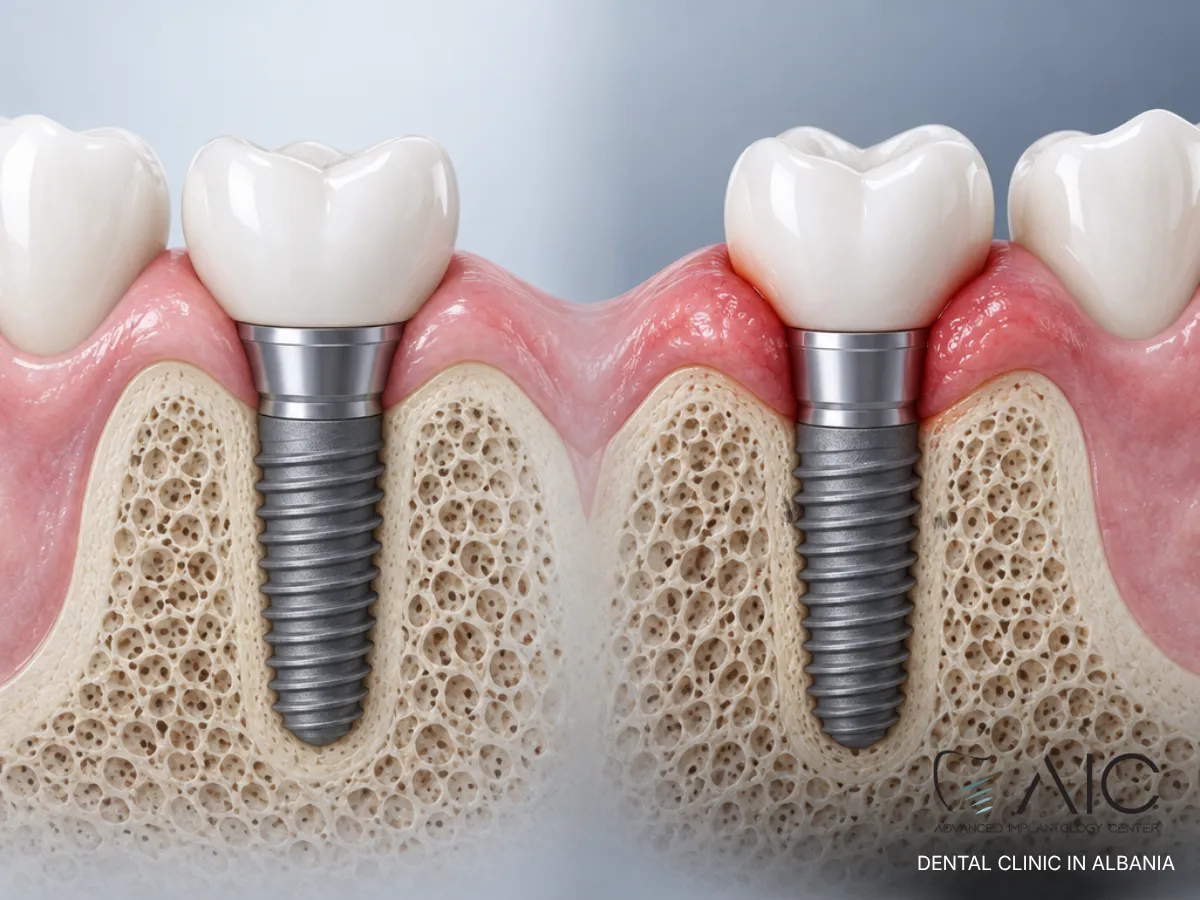
Dental Implant Pain Timeline
Every patient heals differently, and the amount of discomfort depends on how extensive the surgery was.
| Time after implant surgery | What may be normal | When to be more cautious |
|---|---|---|
| First 24 hours | Soreness as anesthesia wears off, minor bleeding, tenderness and early swelling. | Uncontrolled bleeding, extreme pain despite prescribed treatment, difficulty breathing or swallowing. |
| Days 2–3 | Pain, swelling and tenderness may still be noticeable. Swelling can reach its maximum around this period. | Severe symptoms that are rapidly escalating or accompanied by concerning systemic symptoms. |
| Days 4–7 | Discomfort should generally be becoming easier rather than progressively worse. | Pain that suddenly increases, new swelling, pus, bad taste, fever or increasing redness. |
| After 7–10 days | Some tenderness may persist after more extensive surgery, bone grafting or multiple implants. | Persistent moderate or severe pain, increasing symptoms or inability to use the area comfortably. |
| Weeks or months later | A successfully healing implant should not normally produce ongoing unexplained pain. | New pain when chewing, gum inflammation, implant mobility, discharge, persistent numbness or recurrent swelling. |
NHS postoperative guidance similarly reports that oral-surgery pain commonly becomes worse during approximately the second or third postoperative day before gradually improving over the following days.
See the Guy’s and St Thomas’ NHS guidance after dental implant placement for additional postoperative information.
Why Does a Dental Implant Hurt After Surgery?
The titanium implant itself does not contain nerves.
The discomfort comes primarily from the living tissues surrounding it.
During implant placement, the surgeon creates access through the gum and prepares a precisely sized site within the jawbone. The body’s normal inflammatory and healing response can therefore create temporary soreness.
Common reasons for early pain include:
- gum tissue manipulation;
- normal inflammation around the surgical site;
- pressure and tenderness in the jawbone;
- stitches;
- swelling;
- adjacent tooth or gum sensitivity;
- multiple implants being placed during the same procedure;
- additional bone augmentation;
- and more extensive oral surgery.
A systematic review investigating acute pain after implant placement found that factors such as longer surgery and flap-based procedures can influence postoperative pain intensity.
See the systematic review on acute pain after dental implant surgery.
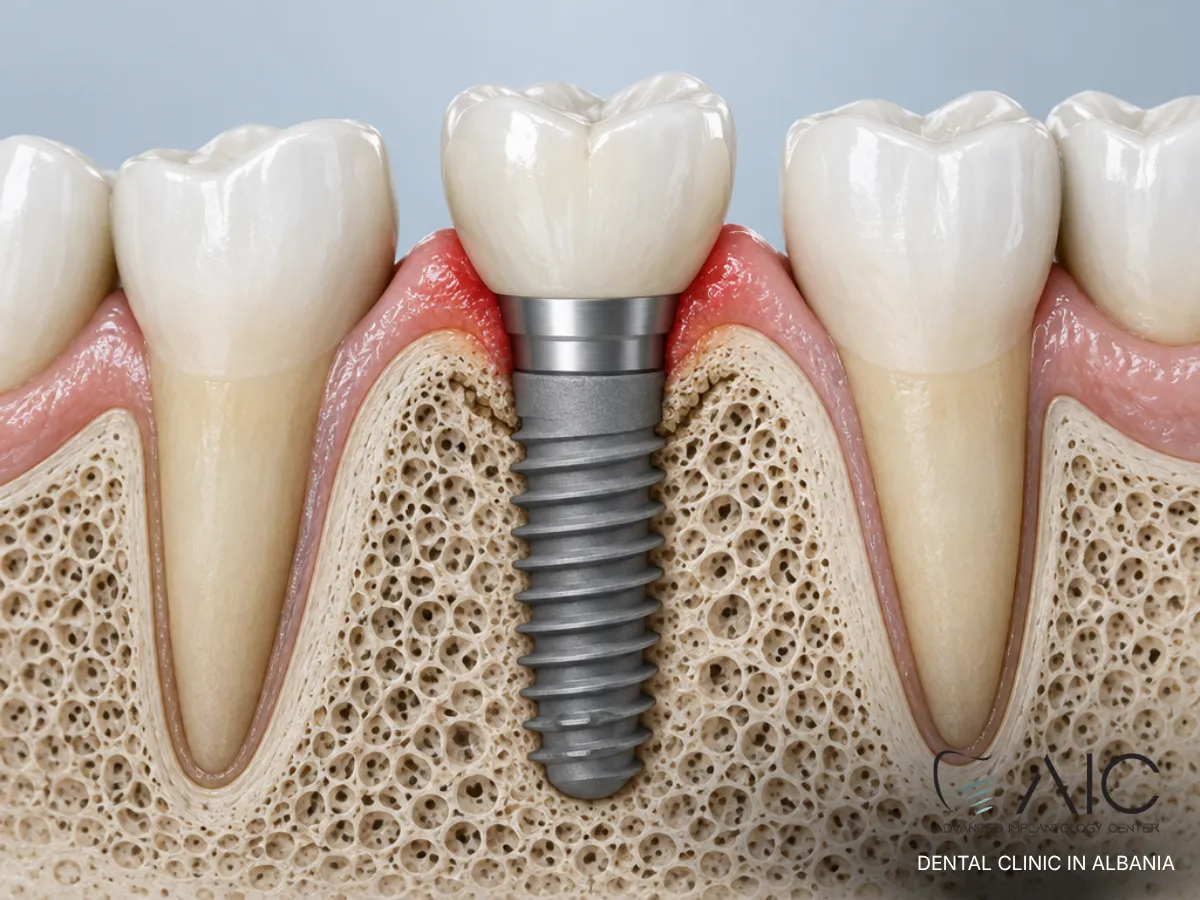
How Much Pain Is Normal After a Dental Implant?
There is no single pain score that applies to everyone.
Some patients report little more than tenderness. Others experience more noticeable soreness, particularly after complex treatment.
Postoperative discomfort can be affected by:
- the number of implants placed;
- the duration and complexity of surgery;
- whether teeth were extracted at the same appointment;
- the amount of soft-tissue manipulation;
- whether bone augmentation was required;
- the individual inflammatory response;
- previous pain sensitivity;
- and other medical factors.
In a study evaluating patient-reported outcomes after implant-related surgeries, the proportion of patients reporting postoperative discomfort decreased substantially between postoperative day 1 and day 7.
The important clinical pattern is therefore usually improvement over time.
Is Throbbing Pain After a Dental Implant Normal?
Mild throbbing or pulsing discomfort can occur during the early inflammatory phase immediately after surgery.
However, strong throbbing pain that develops or becomes worse several days after surgery deserves attention, particularly when associated with:
- increasing swelling;
- redness;
- pus or drainage;
- persistent bad taste;
- fever;
- or increasing tenderness around the implant.
This pattern can occur when infection or another postoperative problem is developing.
Do not diagnose an implant infection based on pain alone. A dentist may need to examine the surgical site and, when appropriate, use dental imaging to determine what is happening.
Dental Implant Pain After One Week: Is It Normal?
A small amount of residual tenderness can still occur approximately one week after surgery, especially following a more extensive procedure.
What is less reassuring is pain that is:
- moderate or severe;
- becoming worse rather than better;
- returning after a period of improvement;
- preventing normal function;
- or accompanied by signs of infection.
General oral-surgery guidance recommends contacting the treating team when pain suddenly increases after several days rather than continuing to improve.
If your symptoms are not following the recovery pattern your dentist explained to you, arranging a clinical review is safer than simply waiting for the pain to disappear.
Pain After Dental Implant and Bone Graft
Patients who undergo an implant together with bone augmentation may experience more postoperative tenderness than someone receiving a straightforward implant placement.
This is because the procedure involves an additional healing site and greater manipulation of the surrounding tissues.
Bone grafting may be required when the natural jawbone does not have sufficient width, height or volume to support an implant predictably.
You can learn more about the procedure in our guide to bone grafting for dental implants.
The fact that a bone graft was performed does not mean persistent severe pain should simply be ignored. The overall direction should still be toward recovery.
Pain After an Upper Dental Implant or Sinus Lift
Implants placed in the posterior upper jaw can sometimes require additional planning because the maxillary sinus sits above the back teeth.
When insufficient vertical bone is available, a sinus lift for dental implants may be performed to create adequate bone height.
Some postoperative pressure, swelling or tenderness can occur after sinus-related implant surgery.
However, your surgeon should be contacted if you develop unusual or persistent symptoms such as:
- increasing pain or pressure;
- significant one-sided sinus symptoms;
- fluid unexpectedly passing between the mouth and nose;
- persistent nasal bleeding;
- fever;
- or symptoms that become progressively worse rather than better.
These symptoms require proper assessment rather than self-diagnosis.
Dental Implant Pain When Chewing
Immediately after implant surgery, the surgical area can naturally be sensitive to pressure.
You may therefore be instructed to avoid chewing hard foods directly over the treatment site during early healing.
However, persistent pain when biting or chewing after the initial healing period should be investigated.
Possible explanations can include:
- excessive pressure from a temporary restoration;
- occlusal or bite-related overload;
- inflammation around the implant;
- a problem with the restoration;
- an adjacent natural tooth;
- or a problem with implant stability or surrounding tissues.
A dentist needs to determine exactly which structure is producing the pain. Patients sometimes assume the implant is painful when the source is actually a neighboring tooth, gum tissue or prosthetic restoration.
Pain After an Implant Crown Is Placed
Once an implant has integrated and the final crown is placed, ongoing pain is not something that should simply be considered normal.
Short-lived gum tenderness can occur after restorative procedures, but persistent pain when biting may indicate that the bite needs to be evaluated.
A crown that receives excessive occlusal force can place unnecessary stress on the implant-restoration complex and surrounding tissues.
Your dentist may check:
- the bite;
- the implant crown;
- the abutment;
- the surrounding gum;
- the neighboring teeth;
- and the supporting bone.
Why Would a Dental Implant Hurt Months or Years Later?
New pain around an implant months or years after treatment is different from normal postoperative pain.
Possible causes can include:
- peri-implant mucositis;
- peri-implantitis;
- plaque accumulation;
- problems with the implant crown or prosthetic components;
- excessive bite forces;
- inflammation around the implant;
- bone loss;
- or disease affecting a nearby natural tooth.
Peri-Implantitis and Pain Around an Existing Implant
Dental implants are not affected by tooth decay, but the living gum and bone around them can develop inflammatory disease.
The American Academy of Periodontology divides peri-implant disease into two main categories:
- Peri-implant mucositis – inflammation involving the soft tissue around the implant without supporting bone loss.
- Peri-implantitis – inflammation associated with deterioration of the bone supporting the implant.
Possible signs can include red or tender gums and bleeding around the implant.
Inflammation should be identified early because peri-implant mucositis may be reversible, whereas peri-implantitis involving supporting bone generally requires more complex treatment.
Patients with gum or peri-implant tissue problems may require evaluation through our periodontics service.
Can a Dental Implant Infection Cause Pain?
Yes, infection is one potential cause of worsening postoperative pain, although pain alone is not enough to confirm an infection.
Signs that may require assessment include:
- pain that becomes worse after initially improving;
- increasing swelling;
- pus or drainage;
- persistent unpleasant taste or smell;
- increasing redness;
- fever or feeling systemically unwell;
- or significant tenderness around the surgical area.
NHS postoperative guidance notes that increasing pain and swelling several days after dental surgery can be associated with infection.
If infection is suspected, contact the dentist or oral surgeon who performed the procedure.
Do not start leftover antibiotics or someone else’s antibiotics. Antibiotics should only be used when clinically indicated and prescribed appropriately.
Can Nerve Irritation Cause Pain After a Dental Implant?
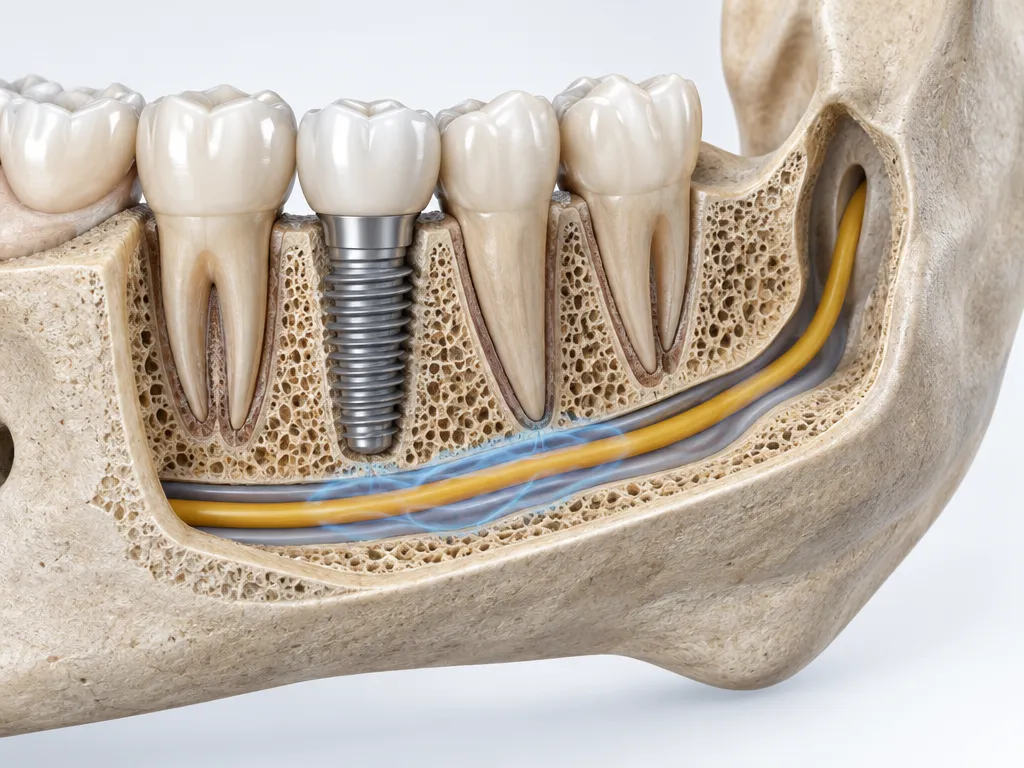
Dental implants placed in the lower jaw are planned in relation to important nerves, particularly the inferior alveolar and mental nerve structures.
Temporary altered sensation can occasionally occur after mandibular surgery because of swelling or nerve irritation.
Symptoms that are more suggestive of nerve involvement can include:
- persistent numbness;
- tingling;
- burning;
- electric-shock sensations;
- shooting pain;
- or altered sensation affecting the lip, chin or nearby tissues.
A systematic review of sensory changes following mandibular implant surgery confirms that altered sensation can occur after lower-jaw implant procedures, although many temporary sensory changes recover over time.
See the systematic review on altered sensation after mandibular implant surgery.
New persistent numbness, burning or electric-shock pain after implant placement should be reported promptly to the treating surgeon.
Neuropathic pain should not be managed simply by repeatedly taking ordinary pain medication without investigating its cause.
Can a Dental Implant Fail and Cause Pain?
Pain does not automatically mean that an implant has failed.
In fact, routine postoperative pain commonly occurs during otherwise successful healing.
However, persistent pain together with implant mobility or other abnormal findings can raise concern about implant stability or osseointegration.
Osseointegration is the biological process through which bone establishes stable contact with the implant surface.
When evaluating a potentially problematic implant, the dentist may assess:
- clinical stability;
- the gum around the implant;
- the bite;
- signs of infection;
- radiographic bone levels;
- and the condition of neighboring teeth.
This is why pain cannot reliably tell you by itself whether an implant is succeeding or failing.
What Should You Do for Normal Pain After Dental Implant Surgery?
Your own surgeon’s postoperative instructions should take priority because the correct recommendations depend on the procedure and your medical history.
General measures often include:
- taking prescribed or recommended pain medication exactly as instructed;
- using a cold pack externally during the early postoperative period if your dental team recommends it;
- eating softer foods while the surgical area is tender;
- avoiding unnecessary pressure on the implant site;
- keeping the mouth clean according to your dentist’s instructions;
- avoiding smoking;
- and attending scheduled follow-up appointments.
Evidence from randomized trials supports the ability of commonly used analgesic medications to reduce postoperative implant pain, although systematic reviews have not established one universal medication protocol suitable for every patient.
That is important because medications such as ibuprofen or paracetamol are not appropriate for every person.
Your medical history, allergies, kidney function, stomach conditions, medications, anticoagulant use and other factors can affect what is safe for you.
Follow your dentist’s instructions rather than creating your own pain-medication regimen.
Should You Use Ice After Dental Implant Surgery?
Cold therapy is commonly recommended during the early period after implant surgery to help manage swelling.
Guy’s and St Thomas’ NHS Foundation Trust advises using an ice pack externally after implant placement, with a protective layer between the cold pack and the skin.
Do not place ice directly on the skin or directly inside the surgical wound.
What Should You Eat When Your Implant Is Sore?
During early healing, foods that require less chewing can make the surgical area more comfortable.
Depending on your surgeon’s instructions, options may include foods such as:
- yogurt;
- soft eggs;
- soups that are not excessively hot;
- soft cooked vegetables;
- mashed foods;
- soft pasta;
- and other foods that do not require forceful chewing.
Avoid repeatedly testing the implant by pressing, touching or chewing hard foods directly over it.
Does Smoking Make Implant Pain or Healing Worse?
Smoking is an important consideration in implant healing and long-term peri-implant health.
It affects the oral environment and is recognized as a risk factor in peri-implant disease.
If you smoke, discuss this openly with your implantologist rather than assuming occasional smoking is irrelevant to recovery.
When Should You Contact Your Dentist About Pain After an Implant?
Contact your dental team if you experience:
- pain that is becoming worse rather than better;
- severe pain that is difficult to control;
- a sudden increase in pain several days after surgery;
- increasing swelling after the initial postoperative period;
- pus or discharge;
- persistent unpleasant taste or smell;
- fever or significant systemic illness;
- continued or recurrent bleeding;
- implant movement;
- persistent numbness or tingling;
- burning or electric-shock-like pain;
- significant pain when biting after the expected healing period;
- or symptoms that simply do not match the recovery your surgeon told you to expect.
When Is Dental Implant Pain an Emergency?
Some symptoms require urgent medical or dental assessment rather than waiting for a routine appointment.
Seek urgent professional care if you develop symptoms such as:
- difficulty breathing;
- difficulty swallowing;
- rapidly spreading facial or neck swelling;
- uncontrolled bleeding;
- a severe systemic reaction;
- or other rapidly worsening symptoms that could indicate a serious complication.
If you cannot reach your dental team and symptoms appear severe or potentially life-threatening, seek local emergency medical care.
How Does an Implant Dentist Investigate Persistent Pain?
Persistent pain is a symptom, not a diagnosis.
The first step is determining where the pain is actually coming from.
Evaluation may involve:
- reviewing when the pain started;
- determining whether it is improving or worsening;
- examining the implant and surrounding gum;
- checking the neighboring teeth;
- evaluating the bite;
- testing implant stability when appropriate;
- looking for swelling, drainage or inflammation;
- assessing sensation when nerve symptoms are reported;
- and using dental radiographs or 3D imaging when clinically indicated.
More complex cases may require assessment by an experienced oral surgeon. Learn more about our oral surgery service and Dr. Klevis Sota.
Normal Healing Pain vs Possible Implant Complication
| More consistent with normal healing | Needs closer evaluation |
|---|---|
| Pain begins after surgery and gradually decreases. | Pain becomes progressively worse after several days. |
| Mild or moderate tenderness. | Severe or uncontrolled pain. |
| Swelling peaks early and begins decreasing. | New or increasing swelling after initial improvement. |
| Temporary sensitivity around the surgical area. | Persistent numbness, burning or electric-shock pain. |
| No pus or abnormal drainage. | Pus, discharge or persistent unpleasant taste. |
| Implant remains clinically stable. | Implant feels mobile. |
| Symptoms improve week by week. | New pain appears weeks, months or years later. |
Frequently Asked Questions About Pain After Dental Implants
Is pain normal after a dental implant?
Yes. Mild to moderate discomfort is common after dental implant surgery because the gum and jawbone have undergone a surgical procedure. The important point is that the discomfort should generally improve as healing progresses.
What day hurts the most after a dental implant?
Pain patterns vary between patients, but oral-surgery guidance commonly describes discomfort and swelling as most noticeable during approximately the first 2 to 3 days before gradually improving.
How many days should a dental implant hurt?
Many patients experience their main discomfort during the first several days. Mild tenderness can last longer after complex surgery. Persistent significant pain after approximately a week, particularly if it is not improving, should be discussed with the treating dentist.
Why is my dental implant throbbing?
Some throbbing can occur during the initial inflammatory phase. Strong throbbing pain that becomes worse after several days or occurs with swelling, pus, fever or a bad taste requires evaluation for possible infection or another complication.
Why does my dental implant hurt when I bite?
During early healing, the surgical area may be sensitive to pressure. Pain when biting later can result from bite overload, inflammation, a restoration problem, an adjacent tooth or an implant-related complication and should be evaluated.
Is dental implant pain after one week normal?
Minor tenderness may remain after extensive surgery, but pain should usually be moving in the direction of improvement. Moderate or severe pain that persists, returns or gets worse after a week deserves clinical review.
Why does my implant hurt months later?
New pain months after implant placement is not the same as routine postoperative healing. Potential causes include peri-implant inflammation, a prosthetic or bite problem, surrounding bone changes or disease affecting a neighboring tooth.
Can peri-implantitis cause pain?
Peri-implantitis can cause inflammation and destruction of supporting tissue and bone. Possible symptoms can include tenderness, redness and bleeding, although the condition may not always produce significant pain in its early stages.
Does pain mean my dental implant is failing?
No. Pain immediately after surgery is common and does not by itself mean implant failure. Persistent pain associated with mobility, infection, bone loss or other abnormal findings requires examination.
Can nerve damage cause pain after a dental implant?
Nerve irritation or injury can produce numbness, tingling, burning, altered sensation or electric-shock-like pain, particularly after lower-jaw surgery. Persistent neurological symptoms should be reported promptly to the surgeon.
Should I take antibiotics for dental implant pain?
Not automatically. Pain does not prove that a bacterial infection is present. Antibiotics should only be used when prescribed for a clinical indication by an appropriate healthcare professional.
Bottom Line: Watch the Direction of the Pain
Some pain after dental implant surgery is expected.
For most patients, the important sign of normal recovery is that discomfort becomes progressively easier rather than steadily worse.
Pain during the first few postoperative days can reflect normal tissue healing. In contrast, severe or increasing pain, pus, fever, recurrent swelling, implant movement, persistent numbness or pain developing long after the procedure should not simply be ignored.
If you are unsure whether your symptoms represent normal healing, an examination is more reliable than trying to diagnose an implant complication from pain alone.
At SOTA Dental – Advanced Implantology Center, implant assessment can include clinical examination and appropriate imaging to determine whether discomfort is related to normal healing, surrounding tissues, the restoration or the implant itself.
Learn more about our advanced dental implant treatments or arrange an assessment if you are experiencing persistent symptoms after implant treatment.
Medical disclaimer: This article is intended for general educational purposes and does not provide a diagnosis or personalized treatment recommendation. Persistent or severe symptoms after implant surgery should be assessed by a qualified dental professional.