
Dental implants have become the most reliable and long-lasting solution for missing teeth, yet in the United Kingdom they are often associated with a significant financial burden. As of 2026, patients researching treatment quickly encounter prices that can feel disproportionate, especially when compared to other countries offering the same procedures.
This raises a critical and increasingly common question: are dental implant prices in the UK truly justified, or are patients paying beyond the actual value of the treatment?
To answer this properly, it is necessary to look beyond surface-level pricing and examine what those costs represent. The UK dental market is shaped by clinical standards, economic pressures, and private healthcare structures, all of which influence the final price a patient pays. At the same time, global competition—particularly from dental tourism destinations—has made pricing more transparent than ever before.
Understanding Dental Implant Prices in the UK in 2026
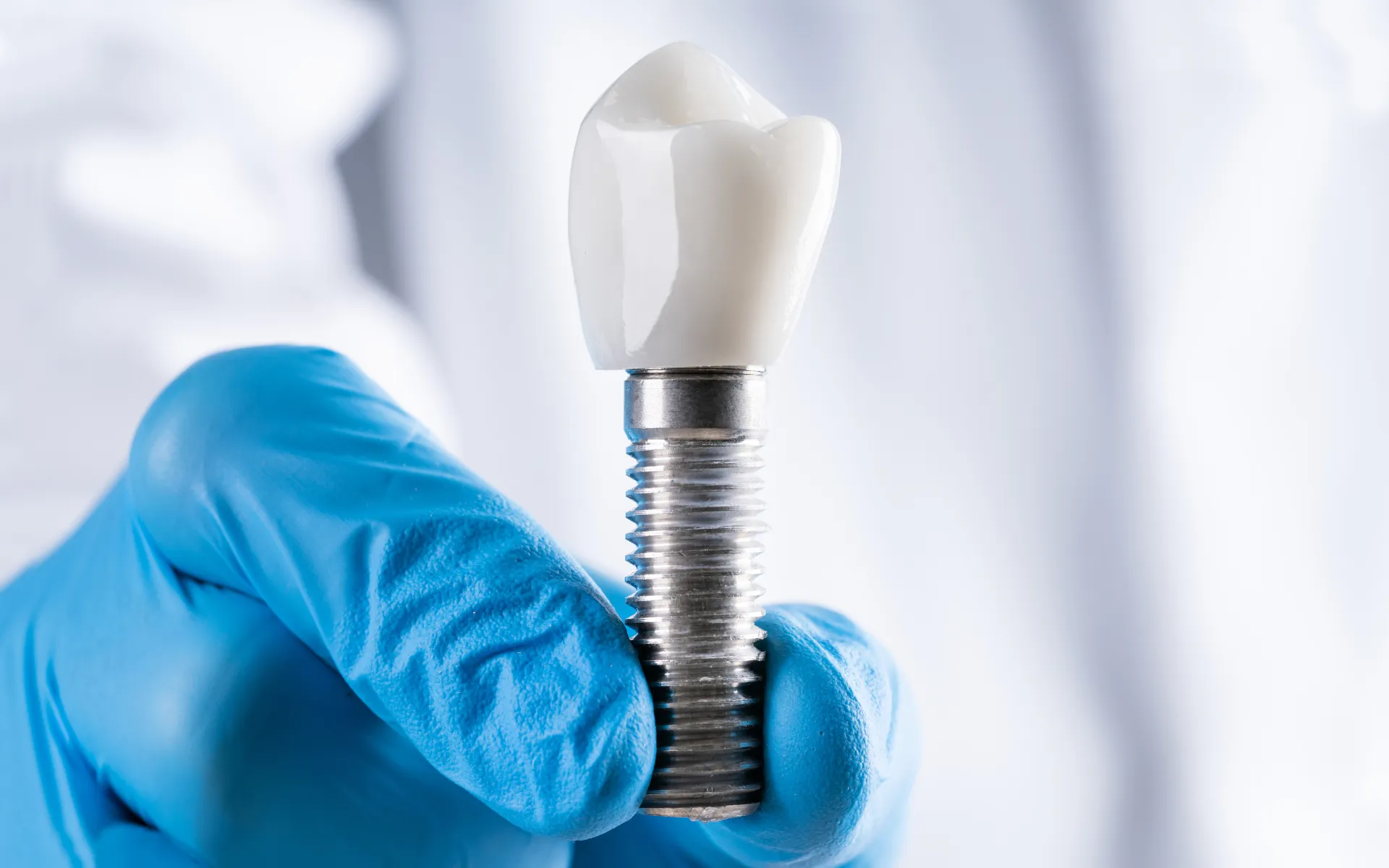
The cost of dental implants in the UK remains among the highest in Europe. A single implant, including the titanium post, abutment, and crown, typically ranges from a few thousand pounds, and that is often only the starting point. Once diagnostics, imaging, and potential preparatory procedures are included, the final cost can increase considerably.
For patients requiring more extensive treatment, such as multiple implants or full-mouth rehabilitation, the financial commitment becomes even more substantial. Full-arch solutions, commonly referred to as All-on-4 or All-on-6 treatments, can reach into five figures per arch. When both jaws are treated, the total investment can rival the cost of a new car or even a property deposit in some regions of the UK.
What is important to understand is that these figures are not arbitrary. They are the result of a layered pricing structure that reflects both clinical and economic realities.
The Real Drivers Behind UK Implant Costs
One of the most significant contributors to high implant prices in the UK is the overall cost of operating a dental clinic. Dentistry in the UK is heavily regulated, and clinics must comply with strict standards that govern hygiene, safety, equipment, and patient care. While these regulations are essential for maintaining quality, they also introduce substantial operational costs.
In addition, staffing expenses are considerably higher than in most European countries. Skilled clinicians, including implantologists and oral surgeons, undergo years of specialized training and expect compensation that reflects their expertise. Support staff, administrative teams, and compliance officers further increase the cost base of each clinic.
Another major factor is location. Clinics in cities such as London, Manchester, or Birmingham face extremely high rent and overhead expenses. These costs are inevitably passed on to patients, meaning that part of what a patient pays for is not strictly medical treatment, but the economic environment in which that treatment is delivered.
Technology also plays a role. Modern implant dentistry relies on advanced tools such as 3D imaging, guided surgery systems, and digital workflows. These technologies improve accuracy and outcomes, but they require significant investment and ongoing maintenance. While they contribute to higher success rates, they also contribute to higher pricing.

Are Patients Paying for Quality or for the System?
At a clinical level, the UK offers excellent dental care. Implant success rates are high, and patients generally receive safe and predictable treatment. From that perspective, part of the cost is justified.
However, when pricing is examined more critically, it becomes clear that not all of the expense is directly tied to clinical quality. A significant portion is influenced by systemic factors such as overhead, branding, and market positioning. In other words, patients are not only paying for the implant itself or the surgeon’s expertise, but also for the structure of the UK private healthcare system.
This distinction is important. It explains why two clinics offering similar procedures and using the same implant systems can have dramatically different pricing, even within the same country.
The Role of Transparency in Pricing
Another issue that affects patient perception is the way implant costs are presented. Initial quotes in the UK often appear straightforward, but they may not include every element of the treatment process. Additional procedures such as bone grafting, sinus lifts, or temporary restorations can significantly increase the final cost.
For patients, this lack of clarity can create uncertainty. What begins as a manageable investment can gradually escalate into a much larger financial commitment. This is one of the reasons why many patients begin to question whether the pricing is fully justified.
A transparent pricing structure, where all stages of treatment are clearly outlined from the beginning, is still not universal across UK clinics. As a result, patients must be proactive in understanding exactly what they are paying for.
The Growing Influence of Dental Tourism
In recent years, the rise of dental tourism has introduced a new dimension to the discussion. Countries such as Albania, Turkey, and Hungary have positioned themselves as alternatives to the UK by offering the same treatments at significantly lower prices.
The price difference can be substantial, often reaching 50 to 70 percent savings for full-mouth implant procedures. For many patients, especially those requiring extensive work, this is not a marginal difference but a decisive factor.
Clinics like Advanced Implantology Center have built their model around treating international patients, combining specialized implantology with a cost structure that reflects local economic conditions rather than UK-level overheads.
The key point here is that lower prices in these countries are not necessarily a reflection of lower quality. In many cases, they are the result of reduced operating costs, more competitive markets, and a strategic focus on high-volume implant treatments.
Comparing Value Rather Than Price
To determine whether UK implant prices are justified, it is more useful to focus on value rather than absolute cost. Value in implant dentistry is defined by several factors, including long-term success, durability, aesthetics, and patient experience.
If two clinics—one in the UK and one abroad—offer comparable outcomes using similar materials and techniques, then the price difference becomes difficult to justify purely on clinical grounds. In such cases, the higher UK price reflects the environment rather than a measurable improvement in results.
This does not mean that UK clinics are overpriced in every situation. For patients who prioritize convenience, local follow-up care, and familiarity with the healthcare system, the additional cost may be acceptable. However, for patients whose primary concern is financial efficiency, especially in large-scale treatments, the justification becomes less convincing.
When UK Implant Prices Make Sense
There are situations in which choosing treatment in the UK is a rational decision. Patients with complex medical conditions may benefit from being treated within a familiar healthcare framework. Others may prefer the reassurance of local follow-up appointments without the need for travel.
In these cases, the higher cost can be seen as part of a broader package that includes accessibility, continuity of care, and peace of mind. The value is not purely clinical, but also logistical and psychological.
When the Cost Becomes Difficult to Justify
For more straightforward cases, particularly those involving standardized implant protocols, the argument for UK pricing becomes weaker. When the procedure is routine and widely performed internationally, the difference in cost often exceeds any difference in outcome.
This is especially true for full-mouth rehabilitations, where the financial gap between the UK and other countries can be substantial. Patients in these situations are increasingly willing to travel, as the savings can be significant even after factoring in flights and accommodation.
Final Verdict: Are Dental Implant Prices in the UK Justified in 2026?
Dental implant prices in the UK are the result of a complex combination of clinical excellence and economic structure. While the quality of care is generally high, the cost often reflects factors that extend beyond the treatment itself.
In 2026, the justification for these prices depends largely on the patient’s priorities. For those who value convenience and local care above all else, the cost may be acceptable. For those focused on achieving the same clinical outcome at a lower financial cost, the UK is no longer the only logical choice.
The increasing availability of high-quality treatment abroad has shifted the balance, giving patients more options and more control over how they approach their dental care.
Cost vs Value: Are Patients Getting Their Money’s Worth?
To evaluate justification, we need to look at value per outcome.
What matters most:
- Implant success rate (95%+ expected)
- Longevity (15–25+ years)
- Aesthetic outcome
- Patient experience
In many UK clinics, results are excellent—but similar outcomes can be achieved elsewhere at significantly lower cost.
Why More UK Patients Are Looking Abroad
In 2026, dental tourism continues to grow rapidly.
Countries like:
- Albania
- Turkey
- Hungary
offer the same procedures at 50–70% lower prices.
Example Cost Comparison
| Treatment | UK | Albania |
|---|---|---|
| Single implant | £2,500 – £4,500 | £600 – £1,200 |
| All-on-4 (per arch) | £12,000 – £18,000 | £4,000 – £7,000 |
| Full mouth | £25,000 – £40,000 | £8,000 – £15,000 |
Why Prices Are Lower Abroad (Without Lower Quality)
Lower costs are usually due to:
- Lower operational expenses
- Lower salaries
- Competitive medical tourism market
Conclusion
The question is no longer whether dental implants are worth it—they clearly are—but whether the price paid aligns with the value received.
For UK patients in 2026, the answer is not universal. It depends on how much importance is placed on location, convenience, and cost efficiency. What is clear, however, is that patients are now more informed than ever, and that awareness is reshaping how dental implant pricing is perceived on a global scale.