
Over the past decade, dental tourism has shifted from a niche option into a mainstream solution for UK patients seeking affordable, high-quality care. As private dental costs continue to rise across the UK, many patients are exploring alternatives in Europe, where the same procedures—particularly dental implants, full-mouth restorations, and cosmetic treatments—are offered at significantly lower prices.
This growing demand, however, has brought with it an equally important concern: trust.
Patients are no longer just asking about cost savings. They are asking whether clinics abroad meet the same standards they would expect at home, whether the professionals are properly qualified, and whether the results will be safe and long-lasting. These concerns are valid. Healthcare decisions carry long-term consequences, and choosing the wrong provider can lead to complications, additional costs, and unnecessary stress.
The reality is that Europe is home to many trusted dental clinics, but identifying them requires a structured and informed approach. This guide has been developed specifically for UK patients to help them evaluate clinics based on safety, transparency, and clinical authority—rather than marketing claims.
Why More UK Patients Are Choosing Europe
The appeal of European dental clinics is not based solely on price. While cost savings can be substantial—often between 50% and 70%—patients are increasingly motivated by access to advanced treatments and shorter waiting times.
In the UK, procedures such as full-mouth dental implants may involve long waiting periods or prohibitively high costs in private clinics. In contrast, many European clinics specialize in implantology and have optimized their workflows to treat international patients efficiently. This includes the use of digital planning, guided surgery, and immediate loading protocols, allowing for faster and more predictable outcomes.
Additionally, many clinics in Europe are equipped with modern technology and follow international standards, making them competitive with top-tier practices in the UK. However, this level of quality is not universal, which is why careful selection remains essential.
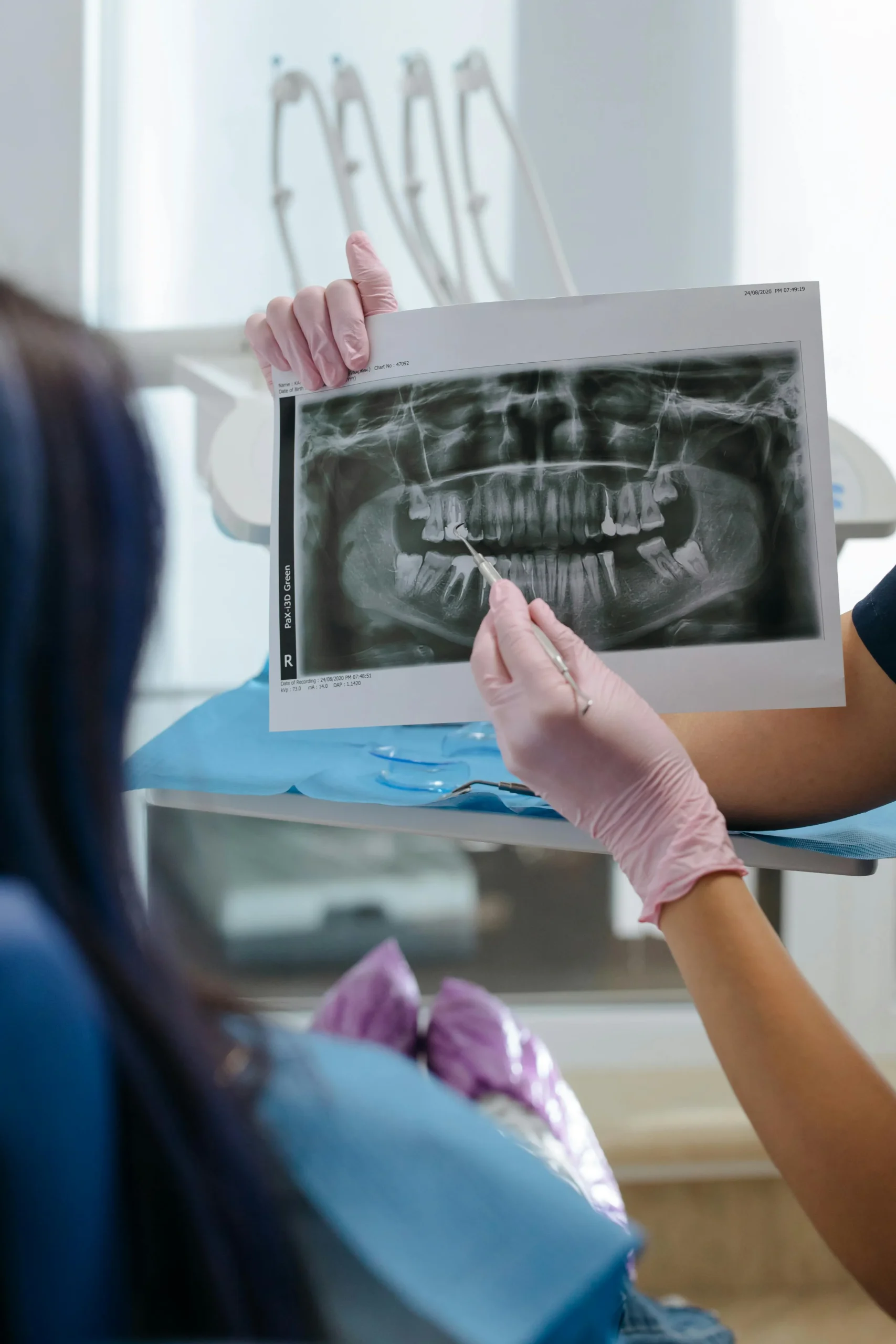
Are Dental Clinics in Europe Safe?
Safety in European dental care is generally high, particularly in countries with well-developed private healthcare sectors. However, it is important to understand that regulation alone does not guarantee quality at the individual clinic level.
A clinic may operate within legal frameworks but still lack the experience, specialization, or infrastructure required for complex procedures such as implantology. Conversely, many leading clinics go far beyond minimum requirements, investing in advanced training, technology, and international standards of care.
For UK patients, the key is to evaluate each clinic on its own merits rather than relying solely on country reputation. Trust is built through verifiable evidence—clinical results, transparent communication, and professional credentials.
Understanding What “Trusted” Really Means
The term “trusted dental clinics in Europe” is often used in marketing, but from a professional standpoint, trust is not a label—it is a measurable combination of factors.
A trustworthy clinic demonstrates consistent clinical outcomes, provides detailed information about its team and procedures, and maintains open communication with patients before, during, and after treatment. It does not rely on vague promises or generic claims but instead supports its reputation with documented evidence.
Trust also involves predictability. Patients should know what to expect in terms of treatment steps, timelines, costs, and recovery. Any ambiguity in these areas should be considered a potential concern.
Evaluate Dental Tourism Support
For UK patients, logistics matter.
Good clinics offer:
- Airport pickup assistance
- Hotel recommendations
- Treatment scheduling aligned with travel
- English-speaking staff
This reflects professionalism and experience with international patients.
Trust Your Instincts (But Back It with Evidence)
If something feels off, investigate further.
Reliable clinics:
- Answer all questions clearly
- Provide proof when asked
- Do not rush decisions
Evaluating Clinical Expertise and Specialization
One of the most important aspects of trust is the clinical expertise of the dental team. Implantology, in particular, is a highly specialized field that requires surgical training, prosthetic planning, and experience with complex cases such as bone loss or full-arch rehabilitation.
A reliable clinic will clearly present the qualifications of its dentists, including their education, areas of specialization, and years of experience. It is not enough for a clinic to claim expertise; it must demonstrate it through detailed profiles and, ideally, a portfolio of completed cases.
Clinics that focus heavily on implantology tend to deliver more predictable outcomes than general practices offering implants as one of many services. For UK patients considering advanced treatments, this distinction is critical.
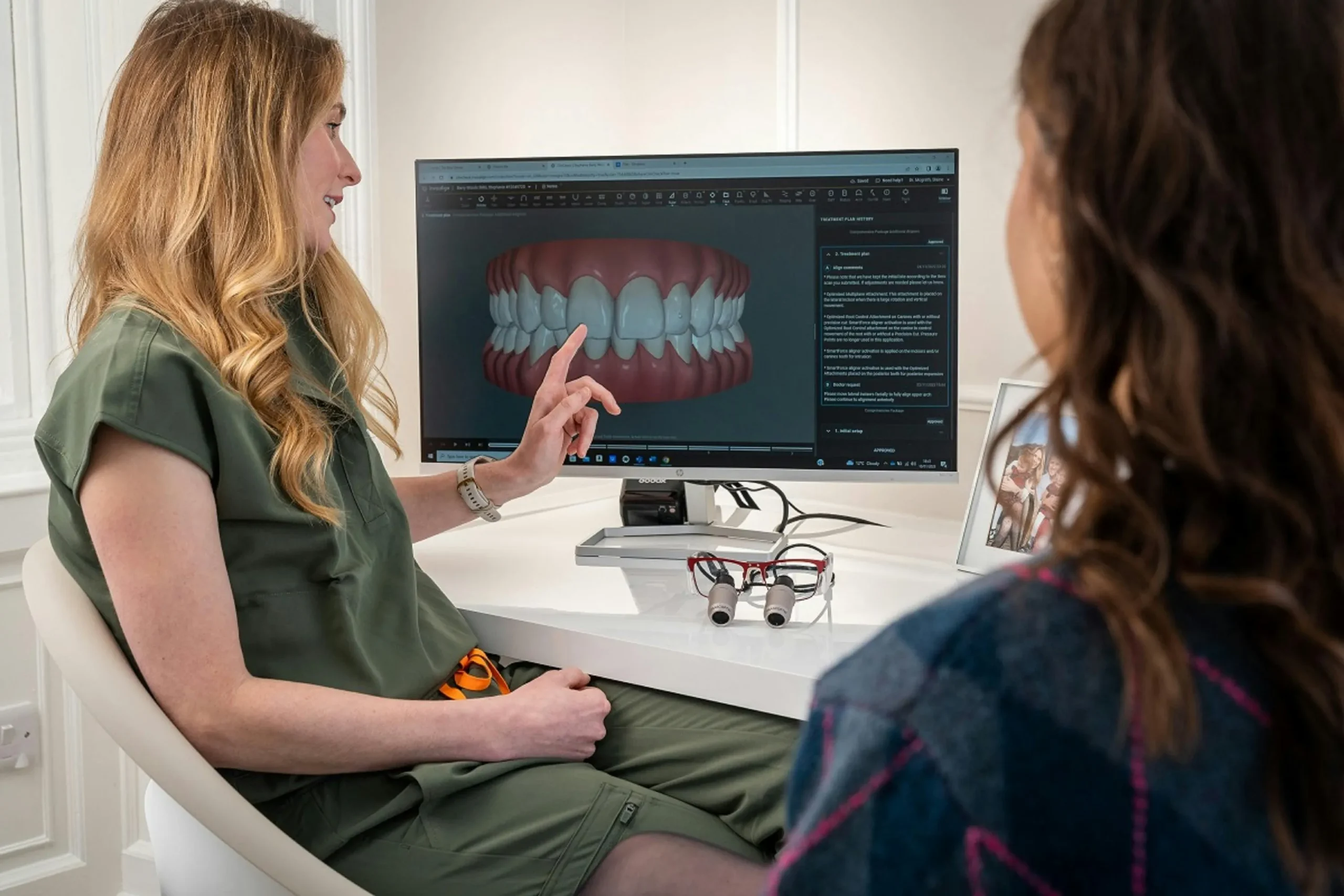
The Role of Clinical Evidence
In modern dentistry, trust is increasingly built through visual and documented proof. Before-and-after images, supported by radiographs or 3D scans, provide insight into the clinic’s ability to handle real cases.
These examples should not be limited to simple cosmetic improvements. A reputable clinic will showcase complex treatments, including full-mouth restorations, cases involving bone grafting, and long-term results. This level of transparency allows patients to assess not only the aesthetic outcome but also the functional success of the treatment.
Without such evidence, it becomes difficult to evaluate whether a clinic’s claims are substantiated.