
Over the past decade, dental tourism for UK patients has evolved from a niche travel option into a widely accepted pathway for accessing high-quality dental treatment. Many individuals in the United Kingdom are now exploring treatment options beyond their borders as they seek advanced dental care that is both accessible and efficient. Rising treatment costs, limited availability of specialist procedures, and extended waiting times have encouraged patients to look internationally for solutions that meet both their clinical and financial expectations.
Dental tourism today is no longer defined simply by affordability. It represents a broader shift in how patients approach healthcare in a globalized world. Modern dental clinics across Europe have invested heavily in digital technology, specialist training, and internationally recognized treatment protocols. As a result, patients who travel for dental care often find that they are receiving treatment that equals or even exceeds the standards they are accustomed to at home.
For UK patients in particular, travelling abroad for dental treatment has become an increasingly practical choice. Advanced implant procedures, full-mouth rehabilitation, and cosmetic dentistry treatments are now performed in internationally focused clinics that specialize in welcoming patients from overseas. These clinics understand the expectations of international patients and have developed systems designed to provide clear communication, predictable treatment planning, and efficient clinical outcomes.
Why More UK Patients Are Considering Dental Tourism
The growth of dental tourism among UK patients is closely linked to changes within the domestic dental landscape. Over time, access to specialist treatments has become more limited for many patients, particularly when complex restorative procedures are required. At the same time, the cost of private dental treatment has continued to increase, placing advanced procedures beyond the reach of a significant number of individuals.
For patients who require dental implants or extensive restorative work, the financial difference between treatment in the UK and treatment abroad can be substantial. While quality remains the primary concern for most patients, the possibility of achieving the same clinical outcome at a more manageable cost naturally encourages individuals to explore international options. Dental tourism has therefore developed as a response to both economic and accessibility challenges within the healthcare system.
Another important factor driving the rise of dental tourism is the growing awareness of specialized implantology centers outside the UK. Many of these clinics focus exclusively on advanced restorative dentistry and implant procedures. Because their clinical practice is concentrated in these areas, they often accumulate extensive experience in complex cases that require precise surgical planning and multidisciplinary collaboration.
This level of specialization can be particularly attractive to patients who have been told that their case requires complex treatment such as full-arch implants, bone reconstruction, or advanced prosthetic rehabilitation. By seeking treatment abroad, patients may gain access to clinics where these procedures are performed routinely and supported by highly developed digital planning systems.

Access to Advanced Implantology and Restorative Dentistry
Dental implants represent one of the most common reasons why UK patients consider travelling abroad for treatment. Implant dentistry requires a high degree of clinical precision, combining surgical expertise with advanced prosthetic planning to ensure that both the function and aesthetics of the smile are restored successfully.
Modern implantology has advanced significantly over the past two decades, allowing dentists to offer solutions that were once considered highly complex or even impossible. Techniques such as guided implant surgery, digital smile design, and immediate-load implant protocols have transformed the way clinicians approach tooth replacement. These innovations enable dentists to plan treatments with remarkable accuracy and achieve results that are both stable and aesthetically pleasing.
In many internationally focused clinics, implant treatment is supported by digital diagnostic tools that provide detailed insight into the patient’s bone structure and oral anatomy. Three-dimensional imaging technologies allow dentists to evaluate bone density, identify optimal implant positioning, and develop surgical guides that ensure precise placement during the procedure. This level of digital planning improves predictability and minimizes surgical risk.
For patients who require full-mouth rehabilitation, dental tourism can provide access to comprehensive treatment solutions that combine multiple disciplines within a single treatment plan. Restoring a severely compromised dentition often involves a combination of oral surgery, implant placement, and advanced prosthodontics. When these treatments are coordinated within a specialized implantology center, the result is a cohesive approach that prioritizes long-term function, stability, and aesthetics.
Maintaining Clinical Standards Beyond National Borders
One of the most common questions UK patients have when considering dental tourism relates to the quality and safety of treatment provided abroad. In reality, the globalization of dental education and professional development has significantly reduced the differences between clinical standards in different countries.
Dentists practicing in international clinics frequently participate in postgraduate education programs, advanced implantology courses, and international conferences that keep them aligned with the latest developments in modern dentistry. Many clinicians complete specialized training in fields such as oral surgery, prosthodontics, and digital dentistry, allowing them to develop expertise in complex restorative procedures.
Technology also plays a central role in maintaining high clinical standards. Modern dental clinics are increasingly equipped with digital workflows that integrate diagnostics, treatment planning, and prosthetic manufacturing. Computer-aided design and manufacturing systems allow dental restorations to be created with extremely high levels of precision, ensuring that crowns, bridges, and implant-supported prosthetics fit accurately and function naturally.
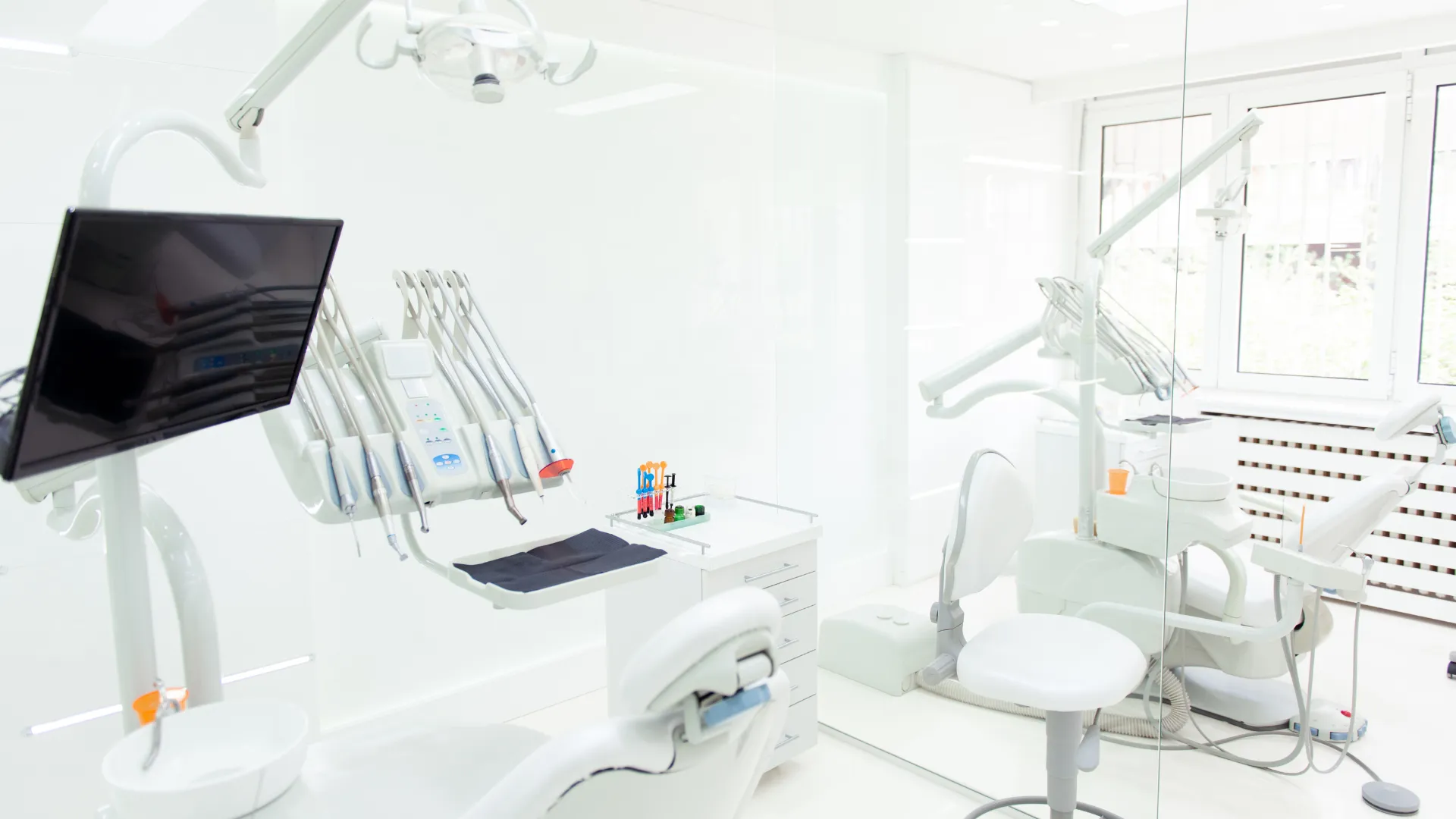
Equally important are the sterilization and infection control protocols that govern daily clinical practice. Reputable dental clinics follow strict hygiene procedures designed to protect both patients and staff. Sterilization equipment, single-use surgical materials, and comprehensive sanitation routines form part of the clinical environment in modern dental facilities that treat international patients.
For individuals traveling from the UK, these standards provide reassurance that receiving dental care abroad does not mean compromising on safety or professionalism.
The Patient Journey in Dental Tourism
For most UK patients, the decision to pursue dental tourism begins with a remote consultation. Advances in digital communication allow clinics to assess potential cases before the patient travels. By reviewing dental radiographs, clinical photographs, and medical history information, dentists can evaluate the patient’s oral health and determine whether they are a suitable candidate for treatment.
Once the initial assessment has been completed, the clinic typically prepares a detailed treatment plan that explains the proposed procedures and outlines the anticipated treatment timeline. This planning stage is particularly important for international patients because it allows them to understand the scope of their treatment before arranging travel.
In many cases, dental treatments can be organized in stages that minimize the number of visits required. Implant procedures, for example, may involve an initial surgical phase followed by a later stage in which the final prosthetic restorations are placed. Clinics that specialize in dental tourism often structure these timelines carefully to ensure that patients can complete treatment with minimal disruption to their daily lives.
Travel arrangements are generally straightforward for UK patients visiting European destinations. Short flight times and accessible transportation networks make it possible to combine dental treatment with a comfortable travel experience. Many clinics also provide guidance on accommodation and local logistics, helping patients focus on their treatment while enjoying a stress-free stay.
The Benefits of Combining Travel with Dental Care
Dental tourism offers advantages that extend beyond clinical treatment alone. For many patients, travelling abroad for dental care transforms what might otherwise be a stressful medical procedure into a more positive and manageable experience.
One of the most immediate benefits is the ability to access treatment without prolonged waiting periods. International clinics that specialize in implantology and restorative dentistry often operate with streamlined workflows that allow patients to move quickly from diagnosis to treatment. This efficiency can be particularly valuable for individuals experiencing discomfort or functional limitations caused by missing or damaged teeth.
Another significant benefit is the opportunity to restore oral health with treatments that might otherwise remain financially out of reach. When advanced procedures such as dental implants become more accessible, patients are able to pursue long-term solutions rather than temporary alternatives that may require repeated maintenance.
Beyond these practical considerations, the experience of visiting a new country can also contribute to a more relaxed treatment journey. Patients often appreciate the chance to explore a different environment while receiving care, which can make the overall experience feel less clinical and more holistic.
Choosing a Trusted Clinic for Dental Tourism
Selecting the right clinic is one of the most important decisions a patient will make when considering dental tourism. Trust and transparency are fundamental to ensuring a successful treatment outcome. Patients should look for clinics that clearly communicate their treatment philosophy, clinical experience, and technological capabilities.
Reputable clinics will provide comprehensive explanations of proposed procedures and offer detailed treatment plans that outline both the benefits and the potential limitations of each approach. Open communication between patient and dentist is essential, particularly when treatment involves complex restorative work.
It is also valuable for patients to review feedback from previous international patients who have undergone similar treatments. Testimonials and case documentation can provide insight into the clinic’s approach to patient care and the quality of results that can be achieved.
Ultimately, the goal is to identify a dental team that combines clinical expertise with a patient-centered approach. When this balance is achieved, dental tourism becomes not only a practical solution but also a highly rewarding experience.
Conclusion
Dental tourism for UK patients has developed into a sophisticated and reliable pathway for accessing advanced dental care beyond national borders. The combination of modern technology, specialized expertise, and efficient treatment planning allows international clinics to deliver outcomes that meet the expectations of even the most discerning patients.
For individuals seeking solutions such as dental implants, full-mouth rehabilitation, or aesthetic smile improvements, exploring treatment options abroad can open the door to possibilities that might otherwise remain unavailable. With careful research and collaboration between patient and clinic, dental tourism offers the opportunity to restore oral health, improve confidence, and experience the benefits of high-quality dentistry in a global context.