
Understanding Immediate Load Dental Implants
Immediate Load Dental Implants represent a significant advancement in modern implantology, offering patients the possibility of restoring their smile in an exceptionally short timeframe. Unlike conventional implant procedures, which typically require several months of healing before a prosthetic tooth is attached, this technique allows for the placement of a temporary fixed restoration within 24 to 72 hours after the implants are inserted.
For many patients, particularly those coming from the UK, this approach addresses one of the most frustrating aspects of traditional implant treatment: the waiting period. Instead of spending months with missing teeth or removable dentures, patients can leave the clinic with a functional and aesthetically pleasing smile almost immediately after surgery.
This method does not bypass biology; the implants still undergo the same osseointegration process, where the titanium fuses with the jawbone. What changes is the protocol and the level of precision required to ensure that the implants are stable enough from the very beginning to support a temporary prosthesis.
Why This Treatment Is Gaining Popularity Among UK Patients
Over the past decade, there has been a noticeable increase in UK patients seeking dental implant treatment abroad. This trend is driven by a combination of high treatment costs domestically, long waiting times, and the desire for more efficient solutions.
Immediate load implants align perfectly with these expectations. For someone traveling internationally, the ability to complete a major portion of the treatment within a few days is extremely valuable. It reduces the need for multiple trips, minimizes time away from work, and allows patients to return home with visible, tangible results.
There is also a psychological component that should not be underestimated. Tooth loss can have a profound impact on confidence and social interaction. The idea of restoring a full smile almost immediately is highly appealing, particularly for patients who have struggled with dentures or have been living with missing teeth for years.
The Clinical Process Behind Immediate Load Implants
Although the concept may sound simple, the execution of immediate load implant treatment is highly sophisticated and requires meticulous planning.
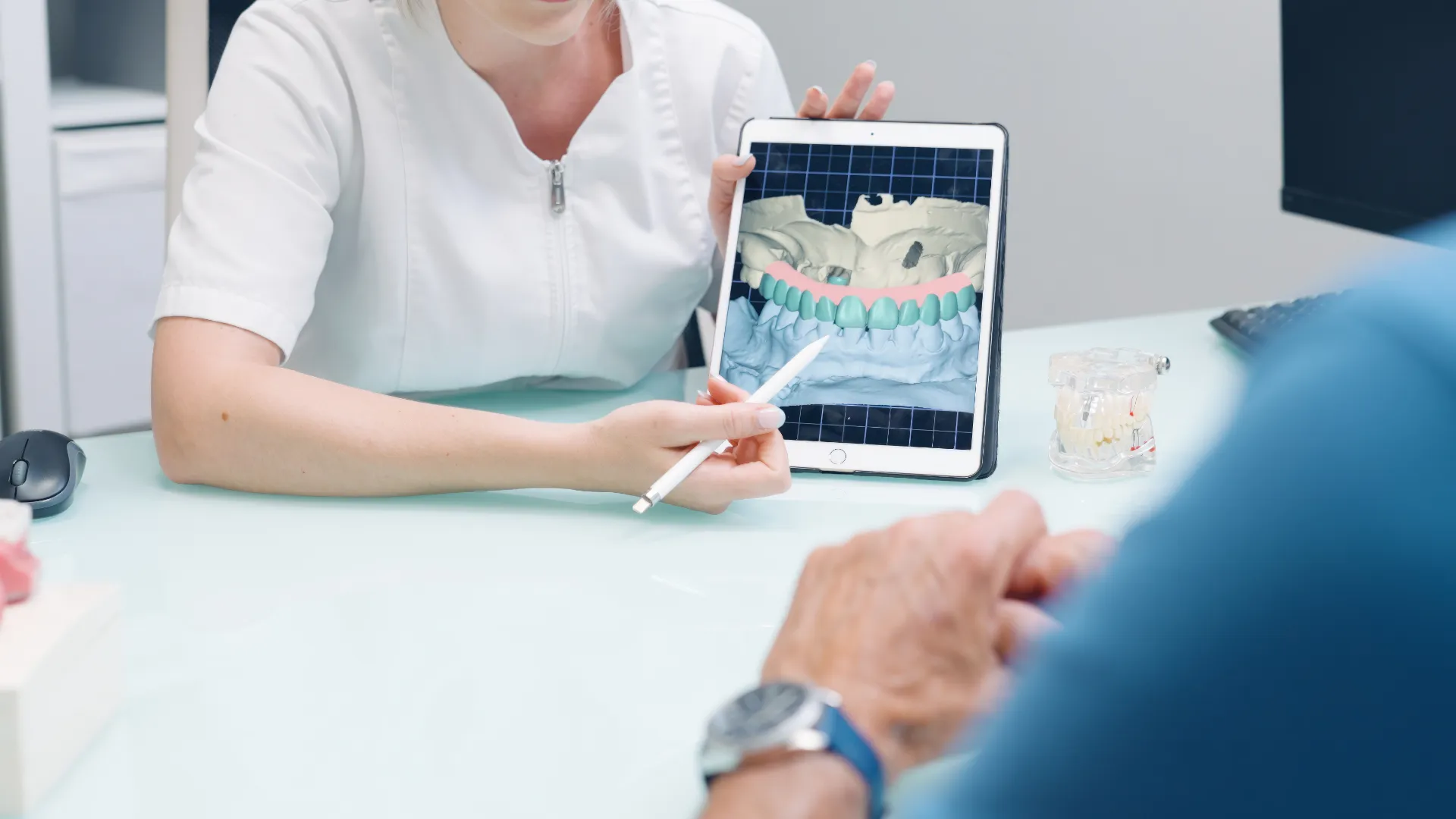
The process begins with advanced diagnostic imaging, typically using 3D CBCT scans. These scans allow the clinician to evaluate bone density, identify anatomical structures, and determine the optimal position and angulation of each implant. Digital planning software is often used to simulate the entire procedure before any surgical intervention takes place.
On the day of surgery, the implants are placed into the jawbone with a focus on achieving what is known as “primary stability.” This refers to the mechanical stability of the implant at the moment of insertion, which is critical for supporting an immediate prosthesis. Without sufficient stability, the risk of failure increases significantly.
Once the implants are in place, a temporary fixed bridge or prosthesis is attached. This is carefully designed to avoid excessive pressure on the implants during the healing phase. Patients leave the clinic with teeth that look natural and allow them to speak and smile with confidence, although some dietary restrictions will still apply.
Over the following months, the implants integrate with the bone through a biological process. After this healing phase is complete, the temporary prosthesis is replaced with a permanent restoration, which is stronger, more durable, and optimized for long-term function.
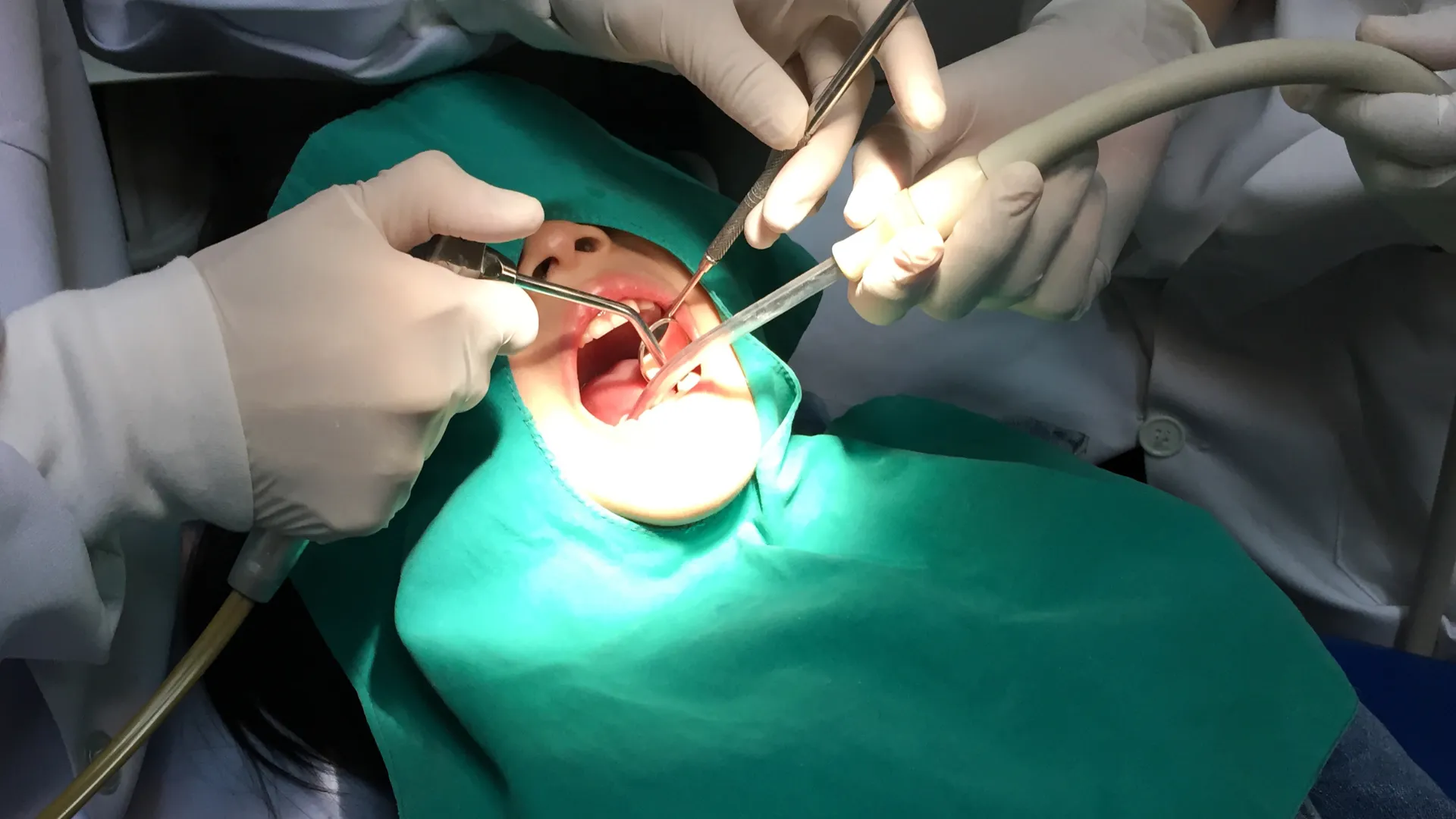
How Immediate Load Dental Implants Work
The process is highly precise and relies on advanced planning and surgical expertise.
Step-by-Step Procedure
1. Digital Planning
- 3D CBCT scans are used to assess bone density
- Implant positioning is digitally planned
- Bite alignment and aesthetics are pre-designed
2. Implant Placement
- Titanium implants are surgically inserted into the jawbone
- High primary stability is essential (this is the key requirement)
3. Immediate Temporary Teeth
- A temporary fixed prosthesis is attached within 24–72 hours
- Patients leave the clinic with functional, aesthetic teeth
4. Healing Phase
- Osseointegration occurs over 3–6 months
- The implants fuse with the bone
5. Final Restoration
- Permanent crowns or full-arch prosthesis are placed
Immediate Load vs Traditional Dental Implants
| Feature | Immediate Load Implants | Traditional Implants |
|---|---|---|
| Teeth placement | 24–72 hours | 3–6 months |
| Number of visits | Fewer | Multiple |
| Aesthetic downtime | None | Yes |
| Healing process | Same biological process | Same |
| Stability requirement | High | Moderate |
The key difference is timing, not quality—both methods can deliver long-term success when properly executed.
The fundamental difference between immediate load and traditional implant techniques lies in the timing of the prosthetic phase. In conventional protocols, implants are placed and left undisturbed beneath the gum for several months to allow osseointegration to occur before any load is applied.
Immediate loading, on the other hand, introduces a controlled load almost immediately. This does not mean the implants are subjected to full chewing forces right away. Instead, the prosthetic design and bite are carefully managed to ensure that forces remain within safe limits during healing.
From a long-term perspective, both approaches can achieve excellent outcomes. Numerous clinical studies have shown that, when performed under the right conditions, immediate load implants can have success rates comparable to traditional methods. The key lies in proper patient selection, precise surgical technique, and strict adherence to clinical protocols.
Patient Selection and Clinical Considerations
Not every patient is a suitable candidate for immediate load implants, and this is one of the most critical aspects of treatment planning. Bone quality and quantity play a decisive role. Patients with dense, healthy bone are far more likely to achieve the primary stability required for immediate loading.
General health is another important factor. Conditions such as uncontrolled diabetes or habits like heavy smoking can interfere with healing and increase the risk of complications. In some cases, additional procedures such as bone grafting may be necessary before implants can be placed, which may delay the possibility of immediate loading.
For patients with severe bone loss, alternative solutions such as zygomatic implants may be considered. These specialized implants anchor into the cheekbone rather than the jaw and can sometimes support immediate loading even in complex cases.
Recovery Experience and Healing Timeline
One of the advantages of immediate load implants is that the recovery experience is often more comfortable than patients expect. While some swelling and mild discomfort are normal after surgery, these symptoms are generally manageable with prescribed medication and tend to subside within a few days.
During the initial healing phase, patients are advised to follow a soft diet to avoid placing excessive pressure on the implants. This precaution is essential to ensure successful integration. Oral hygiene also becomes particularly important, as maintaining a clean environment around the implants reduces the risk of infection.
As healing progresses, patients gradually return to normal function. By the time the final prosthesis is placed, the implants are fully integrated, and the restoration is designed to handle the full forces of chewing.
Financial Considerations for UK Patients
Cost remains one of the primary motivations for seeking treatment abroad. In the UK, full-mouth implant procedures can be prohibitively expensive, often ranging from £15,000 to £30,000 per arch depending on complexity and materials used.
In countries like Albania, the same level of treatment can often be delivered at a significantly lower cost, even when factoring in travel and accommodation. This cost difference does not necessarily reflect a compromise in quality; rather, it is influenced by lower operational costs and a highly competitive dental tourism market.
For UK patients, this creates an opportunity to access advanced treatments such as immediate load implants without the financial burden typically associated with private dental care at home.
Choosing the Right Clinic
Given the technical demands of immediate load implantology, the choice of clinic is crucial. Patients should look beyond marketing claims and focus on verifiable indicators of expertise. This includes the experience of the implantologist, the number of similar cases performed, and the availability of documented clinical results.
Modern technology is also a key factor. Clinics that invest in digital planning tools, guided surgery, and high-quality implant systems are better equipped to deliver predictable outcomes. Transparency in communication, including a clear explanation of risks, benefits, and alternatives, is another important sign of professionalism.
Clinics such as Advanced Implantology Center focus specifically on advanced implant procedures and cater to international patients, offering structured treatment plans designed to accommodate travel schedules and minimize disruption.
Long-Term Outlook and Durability
When properly placed and maintained, immediate load dental implants offer excellent long-term performance. The implants themselves are designed to last for decades, and with good oral hygiene and regular dental check-ups, patients can expect a stable and functional result for many years.
The final prosthesis may require maintenance or replacement over time, depending on wear and individual habits, but this is also true for traditional implant restorations. Ultimately, the longevity of the treatment depends on both clinical execution and patient commitment to aftercare.
Final Perspective
Immediate Load Dental Implants provide a compelling solution for UK patients seeking a faster, more efficient path to full dental restoration. By combining advanced surgical techniques with precise digital planning, this approach delivers immediate aesthetic results without compromising long-term success.
For patients willing to travel, it also represents an opportunity to access high-quality care at a more accessible cost, while significantly reducing the overall treatment timeline. As with any medical procedure, careful planning and the selection of an experienced clinical team are essential to achieving the best possible outcome.