
Smoking does not automatically mean that you cannot have dental implants, but it does increase important risks. Research consistently shows that smokers have a higher risk of implant failure, greater marginal bone loss and a higher likelihood of developing inflammatory disease around dental implants compared with non-smokers.
The risk is particularly important during the early healing period, when the implant must establish a stable biological connection with the surrounding jawbone through a process known as osseointegration. Smoking also remains relevant years later because healthy implants depend on stable bone, healthy gum tissue, effective plaque control and a balanced inflammatory response.
So the correct question is not simply:
“Can smokers get dental implants?”
A better question is:
“How does my smoking history affect my individual implant risk, and what can be done to improve the conditions for successful treatment?”
This guide explains what current evidence says about smoking and dental implants, including implant failure, healing, osseointegration, peri-implantitis, bone loss, smoking before and after surgery and whether vaping should be considered safer.
If you are researching implant treatment generally, start with our complete guide to dental implants and advanced implantology.
This article provides general educational information and does not replace an individual medical or dental assessment. Patients who smoke should discuss their tobacco and nicotine use honestly with their implantologist before treatment.
Can Smokers Get Dental Implants?
Yes. Some smokers can receive dental implants successfully.
Smoking is generally considered a significant risk factor rather than an automatic absolute contraindication to implant placement.
The decision depends on the entire clinical picture, including:
- how much the patient smokes;
- how long they have smoked;
- their willingness and ability to stop or reduce smoking;
- gum and periodontal health;
- oral hygiene;
- available jawbone;
- implant location;
- need for bone grafting;
- diabetes and other systemic conditions;
- previous implant complications;
- and the complexity of the planned rehabilitation.
A patient who smokes occasionally but has excellent periodontal health, sufficient bone and good plaque control may present a very different risk profile from a heavy smoker with active periodontitis and significant bone loss.
Implant candidacy therefore needs to be individualized.
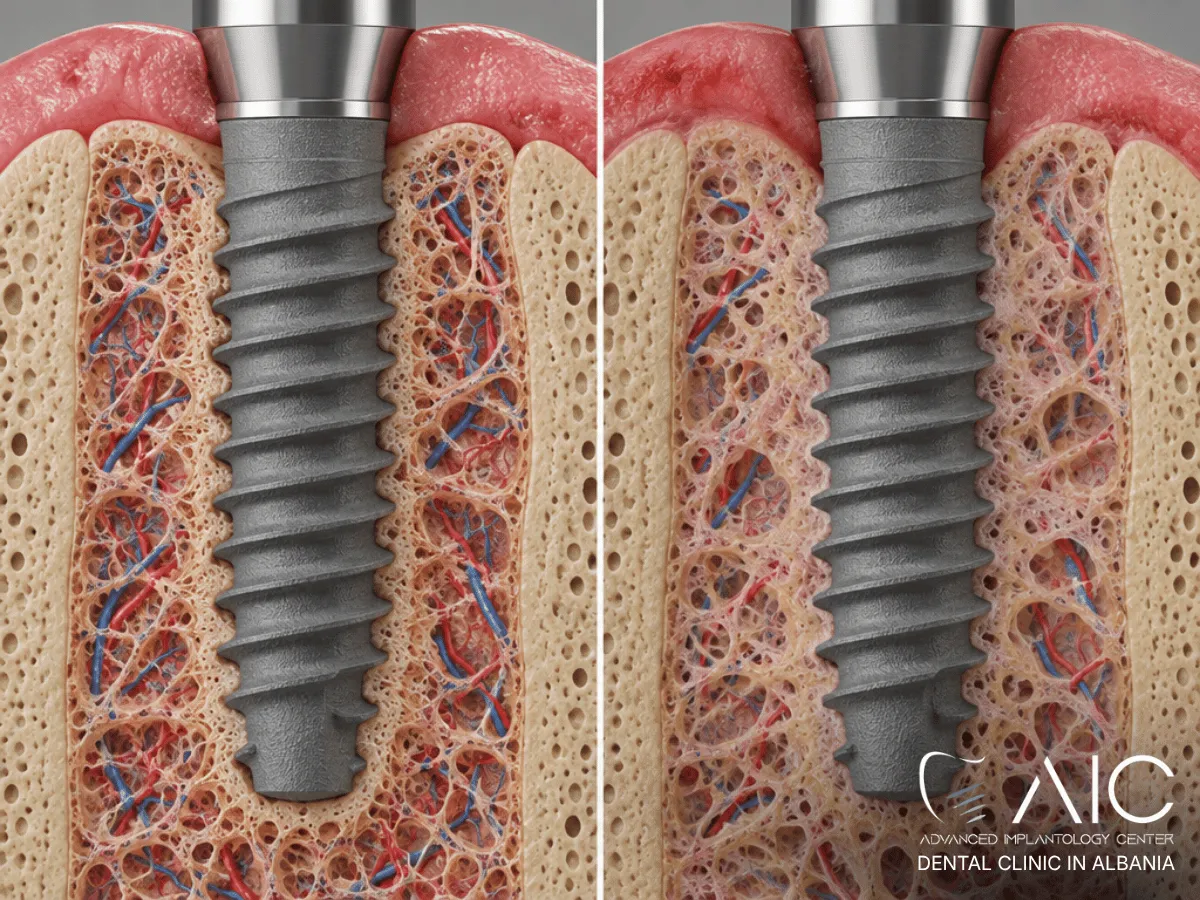
Does Smoking Increase the Risk of Dental Implant Failure?
Yes. Current evidence consistently associates cigarette smoking with an increased risk of dental implant failure.
A 2024 systematic review and meta-analysis evaluating 32 observational studies included 59,246 dental implants.
At the implant level, smoking was associated with approximately 2.6 times higher odds of early implant failure compared with non-smoking.
At the patient level, analysis of cohort studies found approximately double the odds of early implant failure among smokers.
You can review the study here:
Smoking in Relation to Early Dental Implant Failure: A Systematic Review and Meta-Analysis.
An earlier large systematic review involving more than 35,000 implants placed in smokers also found significantly greater implant failure among smokers compared with non-smokers.
These figures describe relative risk, not certainty.
They do not mean that every smoker will lose an implant. Many implants placed in smokers survive successfully. They mean that, across large groups of patients, failure occurs more frequently among smokers.
Why Does Smoking Affect Dental Implants?
A dental implant is not simply screwed into the jaw and immediately considered biologically integrated.
After placement, the surrounding bone must heal and establish close structural contact with the implant surface.
This biological process is called osseointegration.
Smoking can interfere with several processes involved in successful healing, including:
- blood flow to oral tissues;
- oxygen delivery;
- soft-tissue wound healing;
- bone formation and remodeling;
- immune response;
- inflammatory regulation;
- and the microbiological environment around teeth and implants.
The result is not that healing automatically stops in a smoker, but rather that the biological environment may become less favorable.
Smoking and Osseointegration
Osseointegration is one of the most important stages of dental implant treatment.
It describes the direct structural and functional relationship that develops between living bone and the implant surface.
A human histological study comparing smokers and non-smokers found significantly lower early bone-to-implant contact in smokers. The researchers also observed less mature newly formed bone around implants from smokers.
You can review the study in Clinical Oral Implants Research.
Another clinical study assessing implant stability found that smoking did not significantly change the initial mechanical stability obtained at surgery but was associated with poorer development of secondary stability during healing.
This distinction is important.
Primary stability describes the mechanical stability achieved when the implant is inserted.
Secondary stability increasingly depends on biological bone formation and remodeling around the implant.
Learn more about this process in our guide to dental implant osseointegration.
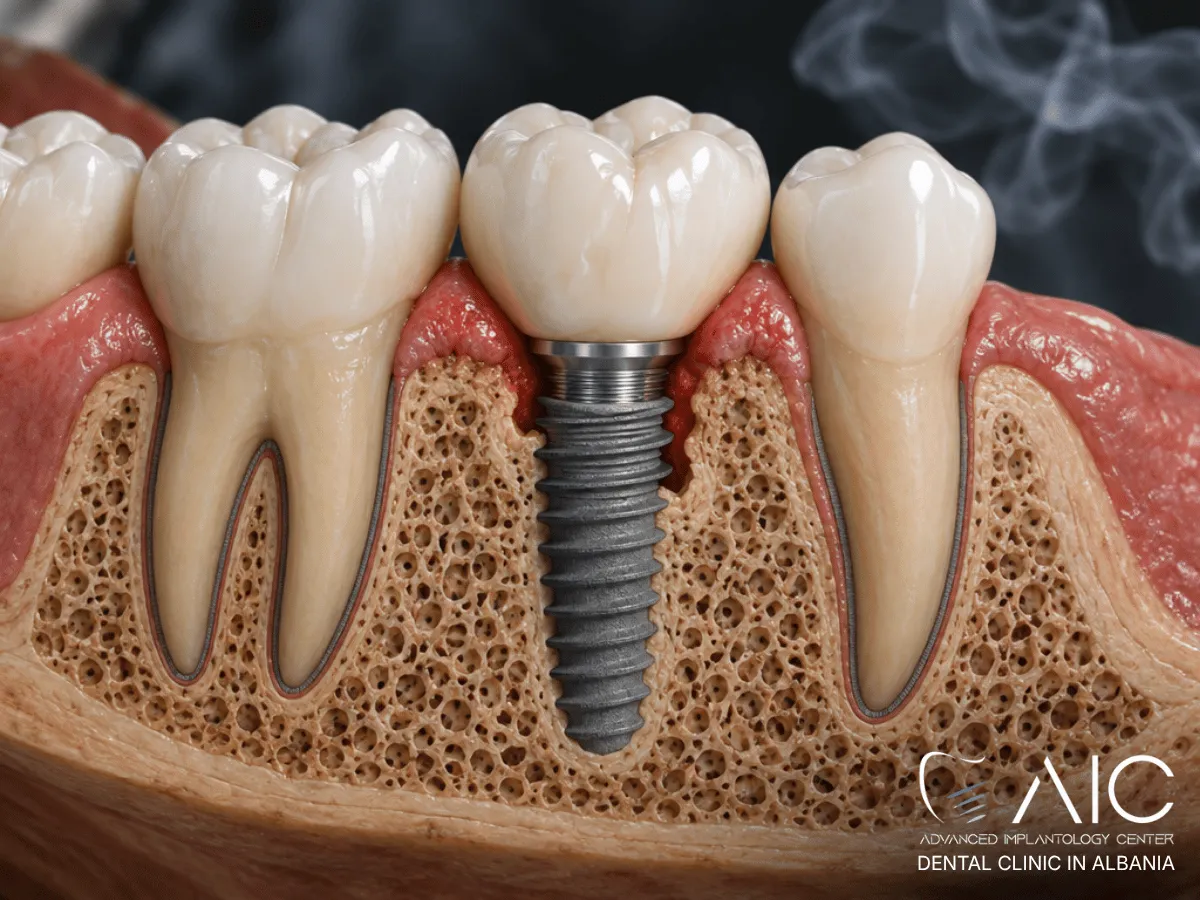
Smoking and Early Dental Implant Failure
Early implant failure generally refers to loss of an implant before or during the initial healing and osseointegration period.
Possible mechanisms in smokers can include:
- impaired tissue healing;
- reduced bone response;
- greater susceptibility to postoperative infection;
- and poorer establishment of stable osseointegration.
The 2024 meta-analysis on early implant failure found a statistically significant association between smoking and early failure at both the implant and patient levels.
This is why smoking status should be discussed before implant placement rather than only after a complication develops.
Does Smoking Affect Upper and Lower Dental Implants Differently?
Some evidence suggests that smoking-related early failure may be particularly important in the maxilla, or upper jaw.
In the 2024 systematic review, subgroup data showed a strong association between smoking and early implant failure in both jaws, with particularly elevated estimates reported for implants placed in the maxilla.
This does not mean every upper implant placed in a smoker is likely to fail.
The upper posterior jaw often naturally has lower-density trabecular bone than many regions of the mandible, so several biological and anatomical factors can interact.
Implant location therefore needs to be considered together with bone volume, bone architecture, implant stability and other patient-specific risks.
Smoking and Marginal Bone Loss Around Dental Implants
Implants depend on stable supporting bone over the long term.
Research has repeatedly associated cigarette smoking with increased marginal bone loss around dental implants.
A large systematic review and meta-analysis found that implants in smokers had, on average, significantly greater marginal bone loss than implants in non-smokers.
Another systematic review examining smoking intensity found evidence suggesting that marginal bone loss may increase as the number of cigarettes smoked per day increases.
See the research on smoking levels and peri-implant marginal bone loss.
Bone loss is clinically important because progressive loss of supporting bone can compromise long-term implant health and may be associated with peri-implantitis.
Does Smoking Increase the Risk of Peri-Implantitis?
Yes. Smoking is recognized as an important risk indicator for peri-implant disease.
Peri-implantitis is an inflammatory disease affecting the tissues around a dental implant and is associated with progressive loss of supporting bone.
A systematic review and meta-analysis of prospective cohort studies found smoking associated with a significantly increased risk of peri-implantitis.
At the patient level, smokers had substantially higher risk compared with non-smokers.
A 2024 umbrella review also classified cigarette smoking as having highly suggestive evidence as a risk factor for peri-implantitis.
Most importantly, the 2025 joint consensus from the Academy of Osseointegration and American Academy of Periodontology identifies smoking among the key behavioral risk factors associated with peri-implant diseases.
Smoking therefore matters not only during initial implant healing but throughout the entire lifespan of an implant.
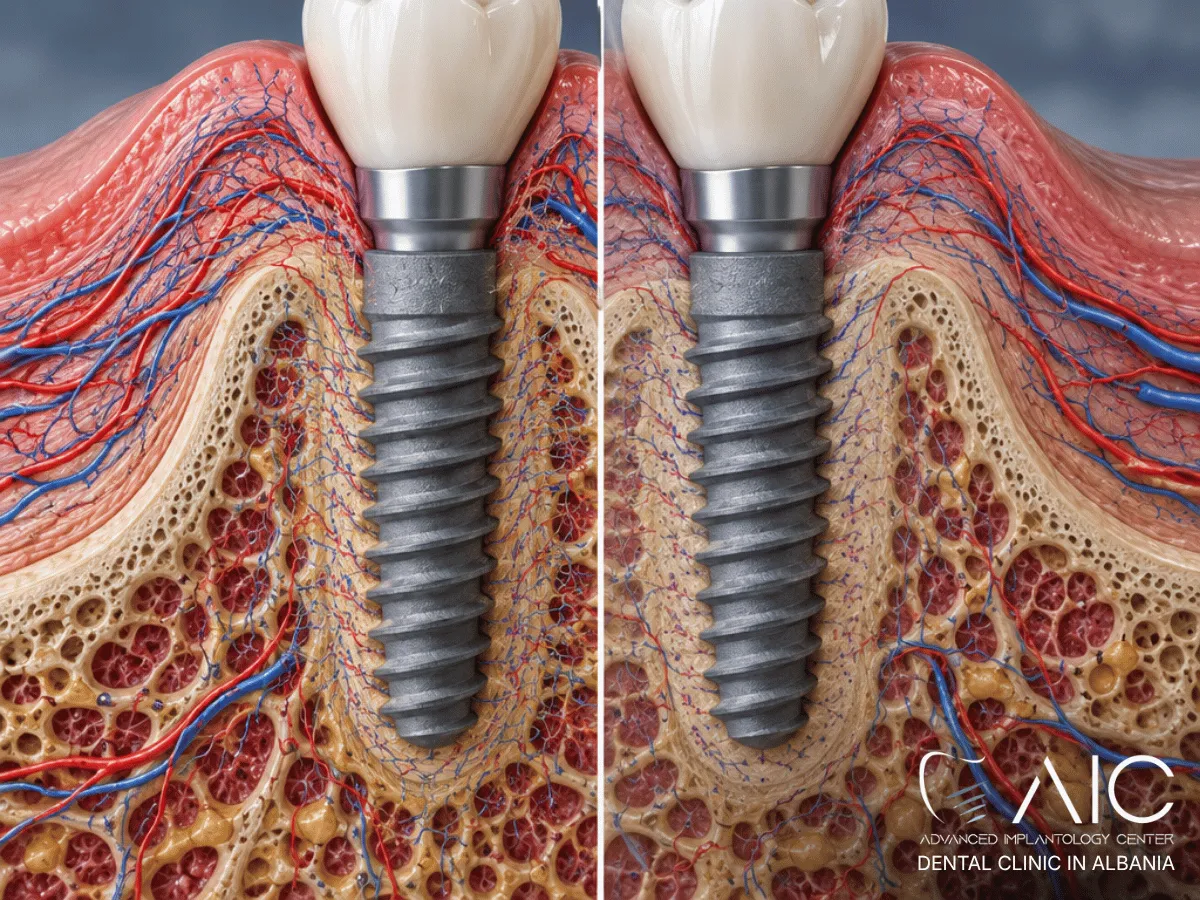
Smoking, Peri-Implant Mucositis and Peri-Implantitis
Two inflammatory conditions are particularly important around implants.
Peri-Implant Mucositis
Peri-implant mucositis primarily affects the soft tissues surrounding an implant.
Possible signs include:
- redness;
- swelling;
- bleeding around the implant;
- and increased inflammatory activity.
Progressive supporting bone loss attributable to the disease is not present.
Peri-Implantitis
Peri-implantitis involves inflammation together with progressive loss of the supporting bone around the implant.
Possible findings include:
- bleeding;
- suppuration;
- deepening peri-implant pockets;
- gum recession;
- exposed implant threads;
- and radiographic bone loss.
Patients who smoke and have a history of periodontal disease require particularly careful long-term monitoring.
Our periodontics service focuses on the diagnosis and treatment of conditions affecting the gums and supporting tissues around teeth and implants.
Can Smoking Cause a Dental Implant Infection?
Smoking alone does not mean that an implant will become infected.
However, smokers have historically shown greater rates of postoperative complications and are at higher risk of peri-implant inflammatory disease.
A dental implant infection can involve several factors, including microbial biofilm, wound healing, oral hygiene, periodontal history, systemic health and smoking.
Possible warning signs include:
- increasing swelling;
- pus or drainage;
- persistent bad taste;
- worsening pain;
- bleeding around an implant;
- and delayed wound healing.
These symptoms need professional assessment rather than simply stopping smoking and waiting for the problem to disappear.
Does the Number of Cigarettes Per Day Matter?
Probably.
The relationship between smoking and implant complications appears to show evidence of a dose-response effect.
A 2024 literature review evaluating studies published between 2020 and 2024 reported that higher daily cigarette consumption was associated with greater implant failure risk in multiple studies.
A separate meta-analysis examining peri-implant marginal bone loss also found greater bone loss in heavier smokers than in lighter smokers.
However, there is no universally accepted number of cigarettes per day below which implant treatment suddenly becomes “safe.”
Smoking fewer cigarettes should not be interpreted as eliminating the risk.
Is One or Two Cigarettes a Day Safe With Dental Implants?
There is no evidence-based threshold that allows an implantologist to say that one, two or another specific number of cigarettes per day carries no additional implant risk.
Risk is influenced by cumulative exposure as well as other factors such as:
- periodontal health;
- plaque levels;
- diabetes;
- bone anatomy;
- surgical complexity;
- and long-term maintenance.
The safest exposure from an implant-healing perspective is therefore no smoking.
Should You Stop Smoking Before Dental Implant Surgery?
Stopping smoking before surgery is generally advisable.
In general surgery, the World Health Organization reports that stopping smoking approximately four weeks or more before surgery is associated with reduced postoperative complications and better outcomes.
However, it is important not to convert that general recommendation into a false dental-specific rule.
A 2024 systematic review specifically investigating preoperative smoking cessation before oral surgical procedures found that the available evidence was insufficient to determine the optimal cessation protocol for oral surgery and dental implantation.
In other words:
There is good reason to stop smoking, but the scientific literature has not established one universal implant-specific number of days or weeks that guarantees normal healing.
Patients should follow the cessation plan recommended by their oral surgeon and medical team.
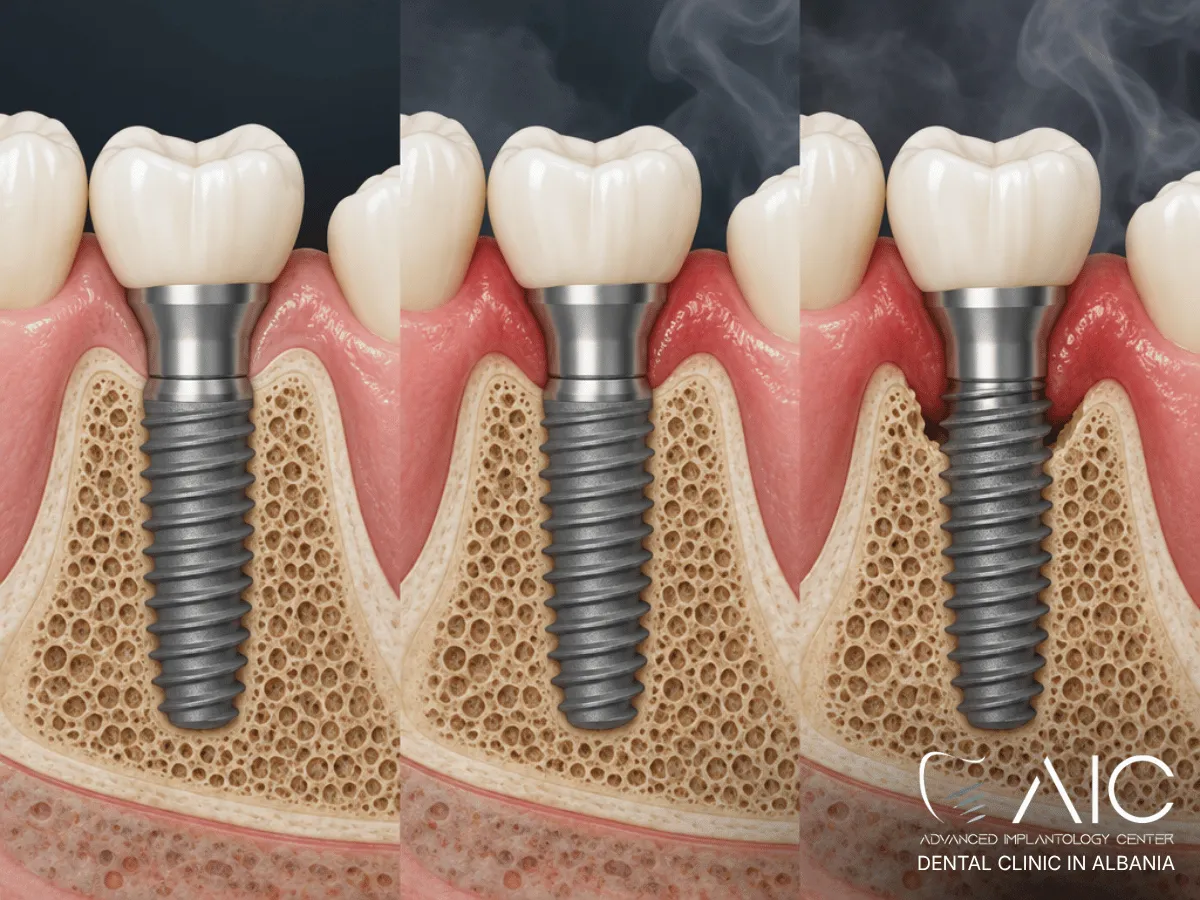
How Long Before Dental Implants Should You Stop Smoking?
There is currently no universally validated dental-implant-specific interval that applies to every patient.
From a general surgical perspective, longer preoperative abstinence is generally preferable to stopping immediately before surgery.
The WHO cites evidence of improved general surgical outcomes among people who stop smoking approximately four weeks or more before surgery.
For dental implants, the appropriate recommendation should consider:
- how heavily the patient smokes;
- the planned surgical procedure;
- whether bone grafting is required;
- whether immediate implant loading is planned;
- medical history;
- and the surgeon’s treatment protocol.
If you are planning implants, tell your surgeon exactly how much you smoke rather than reducing the reported amount because you are concerned about being refused treatment.
Can You Smoke Immediately After Dental Implant Surgery?
Smoking immediately after implant surgery creates an unfavorable environment for wound healing.
The early postoperative period involves blood clot stabilization, soft-tissue healing and the beginning of bone remodeling around the implant.
Tobacco smoke exposes the surgical site to heat and chemical compounds while smoking is also associated with systemic effects that impair healing.
Therefore, patients should avoid smoking after implant surgery and follow their surgeon’s postoperative cessation instructions carefully.
There is no reliable scientific basis for telling every implant patient that smoking becomes “safe” again after an exact number of hours or days.
How Long After a Dental Implant Can I Smoke?
This is one of the most common patient questions, but it does not have a single evidence-based answer.
The implant continues biologically integrating with the jawbone for weeks and months after the initial wound appears healed.
Restarting smoking simply because the gum no longer hurts does not mean osseointegration has finished.
From a long-term implant-health perspective, remaining smoke-free is preferable to temporarily stopping and then restarting.
If permanent cessation is difficult, discuss this honestly with your healthcare team so they can help you develop an appropriate strategy rather than choosing an arbitrary restart date yourself.
What Happens if You Smoke After Getting an Implant?
Smoking after implant placement does not mean that the implant will immediately fail.
However, continued exposure maintains several of the biological risks associated with:
- impaired tissue healing;
- early implant failure;
- marginal bone loss;
- peri-implant inflammation;
- peri-implantitis;
- and long-term implant complications.
Long-term maintenance therefore remains important even after successful osseointegration.
What if You Cannot Stop Smoking Completely?
Do not hide this from your implantologist.
Smoking status is part of clinical risk assessment, not a moral judgment.
Your dental team needs accurate information to determine whether:
- treatment should proceed;
- implant placement should be delayed;
- periodontal treatment should be completed first;
- additional maintenance is necessary;
- or a different treatment strategy may be safer.
Some smokers can still receive implants successfully, but informed consent should include the fact that their risk profile is different from that of a comparable non-smoker.
Smoking and Bone Grafting for Dental Implants
Smoking becomes particularly relevant when treatment involves bone regeneration.
Bone grafting depends on vascularization, tissue integration and progressive formation and remodeling of bone.
Adding a graft also increases the biological complexity of the procedure compared with straightforward implant placement into adequate native bone.
Patients who smoke and require extensive bone reconstruction therefore need particularly careful assessment.
Learn more about bone grafting for dental implants and how jawbone volume is rebuilt before or during implant treatment.
Smoking and Same-Day Dental Implants
Immediate or same-day implant protocols require particularly careful patient selection.
Primary implant stability, bone anatomy, occlusal loading and biological risk factors all need to be considered.
A smoker should not automatically be excluded from every immediate implant protocol, but smoking adds another risk factor that needs to be considered alongside the clinical conditions at the implant site.
Learn more about same-day dental implants and why immediate treatment is not appropriate for every patient.
Smoking, Diabetes and Dental Implants
Risk factors can accumulate.
A patient who smokes and also has poorly controlled diabetes may face a different risk profile from a smoker with otherwise good systemic health.
The 2025 AO/AAP consensus identifies both smoking and uncontrolled diabetes among important systemic or behavioral risk factors associated with peri-implant disease.
If diabetes is part of your medical history, see our detailed guide to dental implants and diabetes.
Smoking, Osteoporosis and Dental Implants
Osteoporosis itself does not automatically exclude implant treatment, but smoking can add an additional risk factor to an already more complex medical assessment.
Implant planning may need to consider:
- osteoporosis diagnosis;
- medication history;
- local jawbone anatomy;
- smoking;
- periodontal health;
- and the complexity of the proposed surgery.
Read our guide to dental implants and osteoporosis for a more detailed explanation.
Is Vaping Safer Than Smoking for Dental Implants?
Vaping should not automatically be considered harmless for dental implants.
The evidence for conventional cigarette smoking is substantially larger and more established, but emerging research also raises concerns regarding electronic cigarette use and peri-implant health.
A recent systematic review and meta-analysis comparing cigarette smoking, waterpipe smoking and electronic cigarette vaping found poorer peri-implant clinical outcomes among all smoking modalities compared with non-smokers.
However, the evidence base for vaping remains smaller and more heterogeneous than the literature on conventional cigarette smoking.
Patients should therefore tell their implantologist about vaping as well as conventional smoking.
Are Nicotine Pouches or Smokeless Tobacco Safe for Implants?
Evidence concerning smoke-free nicotine and tobacco products is much more limited than the evidence for cigarettes.
A recent systematic review evaluating tobacco smoking and smoke-free products found strong evidence of poorer implant survival among cigarette smokers but identified significantly less clinical evidence for other tobacco and nicotine delivery systems.
It would therefore be inappropriate to claim that these products are proven safe for dental implants simply because they do not produce cigarette smoke.
Tell your implantologist about all nicotine and tobacco products you use.
Does Smoking Stain Dental Implants?
The titanium implant fixture is positioned inside the jawbone, so it is not visibly stained in the way natural enamel can be.
However, tobacco can contribute to staining of:
- implant crowns;
- adjacent natural teeth;
- plaque and calculus;
- and restorative surfaces.
The greater clinical concern is not cosmetic staining but the effect of smoking on the peri-implant tissues and supporting bone.
How Can Smokers Reduce the Risk of Implant Complications?
The most effective modifiable step is to stop smoking.
Implant risk also depends on the condition of the entire oral environment.
Important measures include:
- stop smoking as early as possible before treatment;
- remain smoke-free during healing and ideally long term;
- treat active periodontitis before implant surgery;
- maintain excellent plaque control;
- attend professional implant-maintenance visits;
- control diabetes when present;
- follow postoperative instructions;
- avoid hiding tobacco or nicotine use from the surgeon;
- and report early signs of inflammation or infection.
Patients with existing gum disease should ideally stabilize their periodontal condition before undergoing elective implant treatment.
Why Periodontal Health Matters Even More in Smokers
A previous history of periodontitis is itself an important risk indicator for peri-implant disease.
Smoking combined with periodontal disease can therefore create a less favorable long-term environment for implants.
Before implant treatment, the dental team should evaluate:
- bleeding and inflammation;
- periodontal pocketing;
- supporting bone levels;
- plaque control;
- active periodontal infection;
- and the patient’s ability to maintain the proposed implant restoration.
Visit our periodontics service to learn more about gum and supporting-tissue treatment.
What Symptoms Should Smokers With Implants Watch For?
Patients with implants should contact their dental team if they notice:
- persistent bleeding around an implant;
- red or swollen peri-implant gums;
- pus or drainage;
- new gum recession;
- persistent unpleasant taste;
- pain around a previously comfortable implant;
- increasing pain after implant surgery;
- difficulty cleaning beneath an implant restoration;
- or implant mobility.
Peri-implant disease does not always produce severe pain, so absence of pain does not guarantee that the tissues are healthy.
What Does the Latest Research Say About Smoking and Dental Implants?
The overall evidence is remarkably consistent on the main point: smoking increases implant risk.
A 2024 systematic review and meta-analysis of early implant failure found smoking associated with significantly greater early failure, including approximately 2.6-fold higher odds at the implant level.
A 2024 review of studies from 2020–2024 found a significant relationship between smoking and increased implant failure in most of the included studies and also reported evidence of a dose-response relationship.
A large previous meta-analysis involving more than 150,000 implants found approximately 2.4-fold greater odds of implant failure among smokers and significantly greater marginal bone loss.
A more recent systematic review examining long-term implant survival likewise found significantly reduced survival among cigarette smokers.
Finally, the 2025 AO/AAP consensus recognizes smoking as an important behavioral risk factor in the development of peri-implant disease.
The evidence therefore supports treating smoking as an important modifiable factor in implant planning and maintenance—not as an automatic guarantee of implant failure.
How We Assess Smokers Before Dental Implant Treatment
Implant treatment should begin with diagnosis and risk assessment rather than simply deciding whether a smoker is “allowed” to have implants.
A comprehensive assessment may include:
- smoking history and daily consumption;
- periodontal examination;
- oral hygiene evaluation;
- medical history;
- diabetes control when relevant;
- medication history;
- jawbone volume and architecture;
- CBCT imaging when clinically indicated;
- implant location;
- need for grafting;
- prosthetic design;
- and the patient’s ability to follow long-term maintenance.
At SOTA Dental – Advanced Implantology Center, complex implant cases are assessed individually rather than applying the same protocol to every patient.
Learn more about Dr. Klevis Sota, Oral Surgeon and Implantologist and our approach to advanced implant treatment.
Frequently Asked Questions About Smoking and Dental Implants
Can you get dental implants if you smoke?
Yes, some smokers can receive dental implants successfully. Smoking increases the risk of failure and peri-implant disease, however, so candidacy should be based on an individualized assessment of smoking exposure, gum health, bone anatomy, oral hygiene and other medical factors.
Does smoking make dental implants fail?
Smoking does not guarantee failure, but systematic reviews consistently show higher implant failure rates among smokers compared with non-smokers.
How much does smoking increase dental implant failure risk?
Different studies provide different estimates. A 2024 meta-analysis found approximately 2.6-fold higher odds of early implant failure at the implant level among smokers. These are relative group-level estimates and should not be interpreted as an individual patient’s exact probability of failure.
How long should I stop smoking before dental implant surgery?
There is no universally validated implant-specific cessation interval. General surgical evidence supports stopping several weeks before surgery when possible, but a 2024 systematic review found insufficient evidence to establish a specific oral-surgery cessation protocol. Follow the recommendation of your surgeon.
Can I smoke 24 hours after a dental implant?
Smoking during the early postoperative period is unfavorable for healing. There is no scientific basis for declaring smoking universally safe at exactly 24 hours or another fixed time. Follow your surgeon’s instructions and remain smoke-free for as long as possible.
Can I smoke one week after a dental implant?
The gum may look improved after one week, but osseointegration continues for much longer. Restarting smoking after one week therefore does not eliminate the biological risks associated with smoking.
Does smoking affect osseointegration?
Yes. Human clinical and histological research has demonstrated less favorable early bone response and implant stability development in smokers compared with non-smokers.
Can smoking cause peri-implantitis?
Smoking is an important risk indicator for peri-implantitis. It is not the only cause, as microbial biofilm, periodontal history, diabetes, implant position and maintenance also contribute to risk.
Is vaping okay after dental implant surgery?
Vaping should not be assumed to be harmless. Emerging evidence associates electronic cigarette use with less favorable peri-implant clinical and inflammatory outcomes, although the evidence is less extensive than for conventional smoking.
Are nicotine pouches safe for dental implants?
Clinical evidence is currently insufficient to describe nicotine pouches as proven safe for implant healing. Patients should tell their implantologist about all nicotine and tobacco products they use.
Does smoking cause bone loss around dental implants?
Smoking is associated with greater peri-implant marginal bone loss in systematic reviews and is also an established risk indicator for peri-implant disease.
Can I have All-on-4 implants if I smoke?
Smoking does not automatically exclude every patient from full-arch implant treatment, but full-mouth rehabilitation often involves multiple implants, extractions and sometimes bone surgery. Smoking therefore needs to be incorporated into the complete surgical and prosthetic risk assessment.
Should I tell my implant dentist that I smoke only occasionally?
Yes. Your dental team needs accurate information about cigarette, vaping and other nicotine use to assess healing and peri-implant risk appropriately.
Bottom Line: Smoking Does Not Automatically Rule Out Dental Implants, but It Matters
Smokers can receive dental implants, but they do not have the same risk profile as comparable non-smokers.
Current evidence associates cigarette smoking with:
- higher early implant failure risk;
- less favorable osseointegration;
- greater marginal bone loss;
- higher peri-implantitis risk;
- and less predictable long-term peri-implant health.
The risk also appears to increase with heavier smoking.
Stopping smoking is therefore one of the most important modifiable actions a patient can take before implant surgery and for long-term implant maintenance.
However, there is no scientifically validated universal rule such as “stop exactly X days before surgery and restart after X days.” Implant planning should be individualized according to the patient’s smoking history, oral health, bone anatomy, medical conditions and type of treatment.
At SOTA Dental – Advanced Implantology Center, implant cases are evaluated using clinical examination, medical and smoking history, periodontal assessment and three-dimensional imaging when indicated.
Learn more about our dental implant treatments or arrange an implant assessment to determine your individual treatment options.
Medical disclaimer: This article provides general educational information and does not replace diagnosis, personalized treatment planning or smoking-cessation advice from qualified medical and dental professionals.