
Dental implants are often presented as a straightforward solution for replacing missing teeth, with many clinics across the UK advertising prices that seem relatively clear at first glance. A typical figure—somewhere between £2,000 and £3,500 per implant—can give patients the impression that they understand what they will pay from start to finish. In reality, however, this figure rarely reflects the full financial commitment involved.
The truth is that dental implant treatment is not a single procedure but a multi-phase medical process. Each phase carries its own requirements, and in many cases, additional procedures are necessary to ensure long-term success. These elements are frequently not included in the initial quote, creating what can only be described as hidden costs. For patients in the UK, these hidden costs can significantly increase the final price, sometimes doubling the original estimate.
Understanding these costs in advance is essential, particularly for patients who are already aware of the problem—missing teeth—and are now evaluating the most effective and financially sustainable solution.
Why the Advertised Price Is Misleading
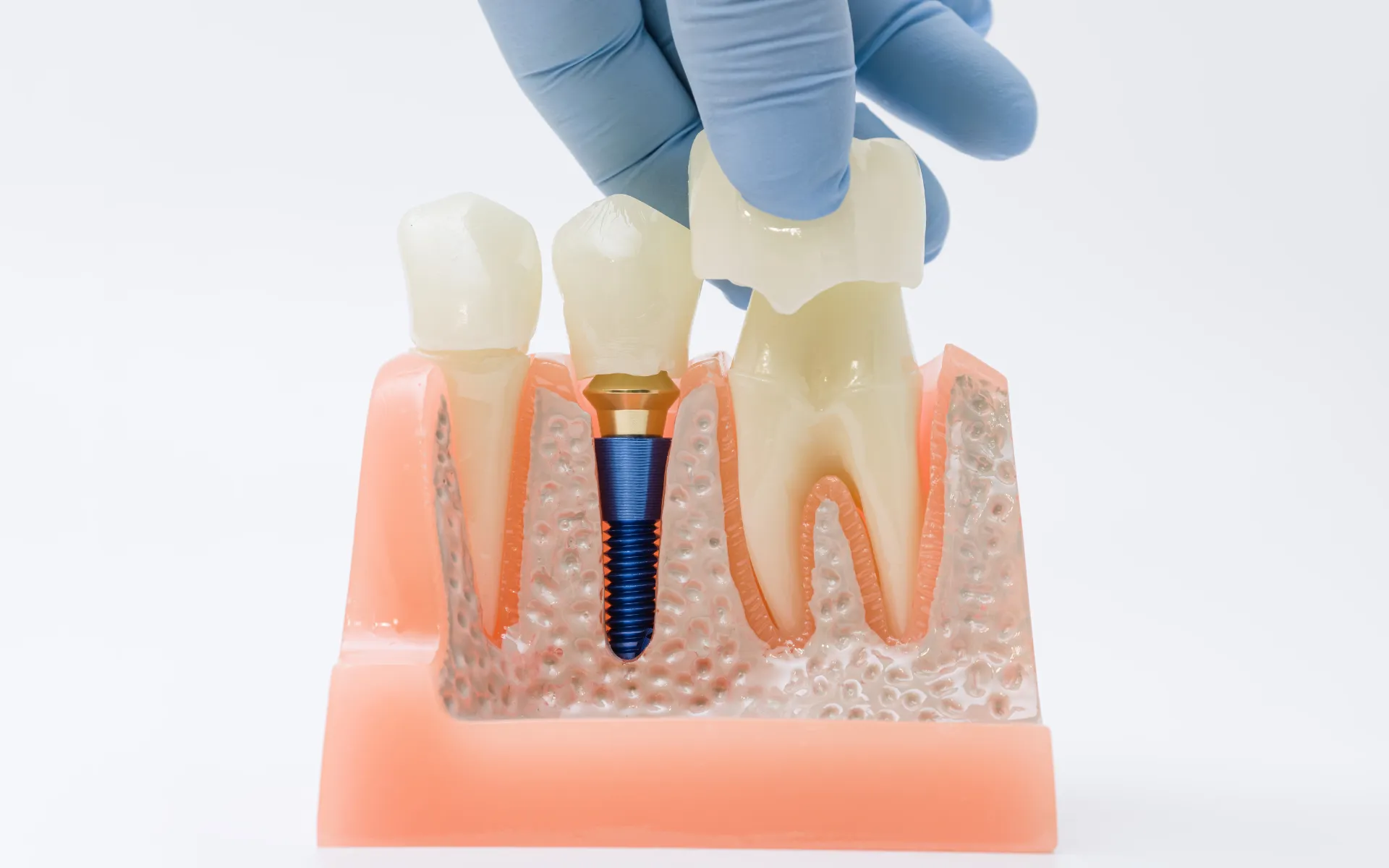
Most clinics in the UK promote what appears to be an “all-inclusive” implant price. In reality, this figure usually refers only to the core components: the implant fixture placed into the bone, the abutment that connects it, and the final crown. While these are essential parts of the treatment, they represent only one segment of a much broader clinical process.
Dental implantology requires careful planning, preparation of the oral environment, surgical precision, and post-operative management. When clinics advertise a base price, they are often isolating just the surgical and prosthetic endpoints, while excluding the preparatory and supportive procedures that make those endpoints possible. This is where the gap between expectation and reality begins to widen.
The Role of Diagnostics and Planning
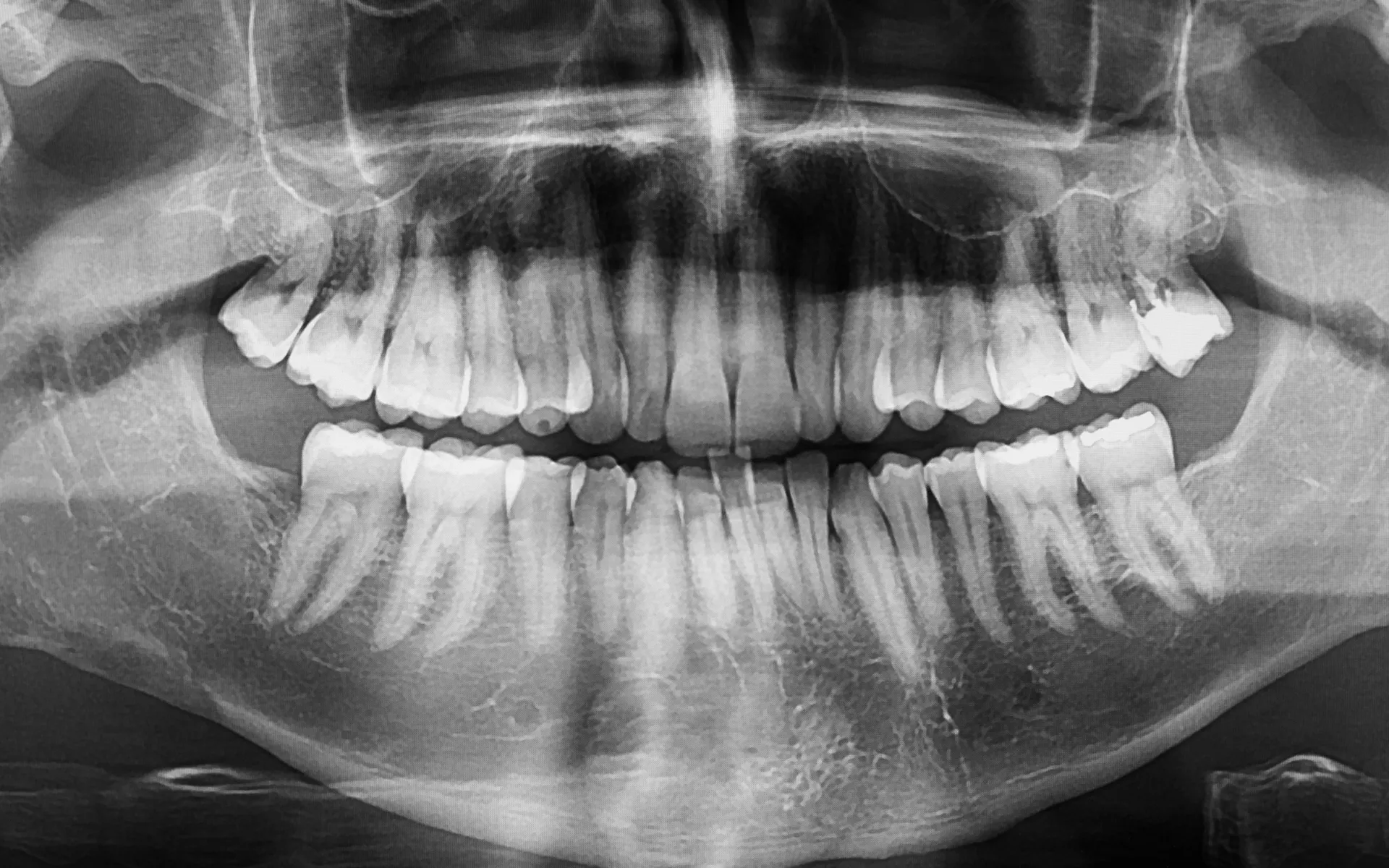
Before any implant can be placed, a thorough diagnostic phase is required. This typically includes advanced imaging such as CBCT scans, which provide a three-dimensional view of the jawbone, as well as clinical assessments to evaluate gum health, bone density, and overall oral condition.
These diagnostic steps are not optional; they are fundamental to safe and predictable outcomes. However, many clinics charge separately for them. As a result, patients often encounter additional costs early in the process, even before treatment has officially begun. While these fees may seem relatively small compared to the total treatment cost, they are the first indication that the advertised price does not represent the full picture.
Bone Loss and the Need for Additional Surgery
One of the most common—and costly—factors affecting dental implant pricing in the UK is bone loss. Many patients who have been missing teeth for a period of time experience natural bone resorption, which reduces the volume and density required to support an implant.
In such cases, bone grafting becomes necessary. This procedure involves augmenting the existing bone to create a stable foundation for the implant. Depending on the severity of the bone loss, grafting can range from a relatively simple intervention to a complex surgical procedure requiring significant expertise.
The cost of bone grafting can vary widely, but it often adds hundreds or even thousands of pounds to the total treatment cost. Importantly, this is not an uncommon scenario—it is a routine part of implant dentistry for many patients. Yet it is rarely reflected in initial pricing discussions.
Sinus Lifts and Anatomical Limitations
For implants placed in the upper jaw, particularly in the posterior region, another factor comes into play: the proximity of the sinus cavity. When there is insufficient bone height between the jaw and the sinus, a sinus lift procedure may be required to create the necessary space.
This is a highly specialized surgical intervention that adds both complexity and cost to the treatment. Like bone grafting, it is often introduced only after detailed imaging has been completed, meaning patients may not be aware of the need for it until they are already committed to the process.
The Overlooked Cost of Preparatory Treatments
In many cases, dental implants cannot be placed immediately because the oral environment is not yet suitable. Existing teeth may need to be extracted, infections must be treated, and gum disease has to be brought under control. Each of these steps carries its own cost and timeline.
Tooth extractions, for example, are often priced separately, particularly if they involve surgical complexity. Similarly, periodontal treatment may be required before implants can be considered safe. These preparatory procedures are essential for long-term success, but they are rarely included in the initial quote.
Are Cheaper Implants Always Better?
Not necessarily.
When evaluating alternatives, patients should consider:
- Dentist qualifications
- Clinic reputation
- Implant systems used
- стерilization and safety standards
- Real patient results
Lower cost should never come at the expense of quality or safety.
Temporary Solutions During Healing
Dental implant treatment typically involves a healing period during which the implant integrates with the bone. This process, known as osseointegration, can take several months. During this time, patients may require temporary teeth for both functional and aesthetic reasons.
Temporary restorations are an important part of the patient experience, especially for those concerned about appearance. However, they are frequently treated as optional add-ons rather than integral components of the treatment plan. As a result, they introduce another layer of cost that patients may not anticipate.
Sedation and Patient Comfort
While some implant procedures can be performed under local anaesthesia, others—particularly complex or full-mouth cases—may require sedation. For patients with dental anxiety, sedation can be an essential component of care, allowing procedures to be carried out comfortably and efficiently.
In the UK, sedation is typically charged separately, and its cost can be substantial depending on the type and duration required. This is another example of a necessary service that is often excluded from headline pricing.
Follow-Up Care and Adjustments
Implant treatment does not end when the crown is placed. Follow-up appointments are necessary to monitor healing, make adjustments, and ensure that the implant is functioning correctly. While some clinics include a limited number of follow-up visits, others charge for ongoing care.
Over time, additional adjustments may be needed, particularly as the surrounding tissues adapt. These costs are usually not discussed upfront, yet they are part of maintaining a successful outcome.
Maintenance and Long-Term Costs
Dental implants require ongoing care:
- Hygiene visits
- Night guards (if grinding)
- Replacement crowns (after 10–15 years)
Complications and Risk Management
Although dental implants have a high success rate, no medical procedure is entirely without risk. Complications such as infection, implant failure, or improper integration can occur, and addressing these issues may require additional treatment.
In many cases, the cost of managing complications is not included in the original quote. This introduces an element of financial uncertainty, particularly for patients undergoing complex procedures.
The True Cost of Dental Implants in the UK
When all these factors are taken into account, the total cost of dental implants in the UK can be significantly higher than the advertised price. What begins as a £2,500 procedure can ultimately reach £4,000 to £6,000 per implant, depending on the complexity of the case.
For full-mouth restorations, the financial commitment can escalate even further, often reaching tens of thousands of pounds. This discrepancy between initial expectations and final cost is one of the primary reasons patients feel misled or unprepared.
Why These Costs Are Structured This Way
The structure of dental pricing in the UK is influenced by several factors, including high operational costs, regulatory requirements, and the way treatments are segmented into individual procedures. Clinics often itemize each component to reflect the complexity of care, but this approach can make it difficult for patients to see the full picture from the outset.
At the same time, competitive pressures encourage clinics to advertise lower entry prices, which may not fully represent the scope of treatment required. This creates a situation where transparency is limited, even if unintentionally.
Making an Informed Decision
For patients considering dental implants, the key to avoiding unexpected costs lies in asking the right questions and requesting a comprehensive treatment plan. A detailed breakdown of all potential procedures, including diagnostics, preparatory work, surgery, and follow-up care, is essential.
Understanding the full scope of treatment not only helps with financial planning but also provides a clearer picture of the clinical journey ahead. This level of transparency is critical when making a decision that affects both health and long-term quality of life.