
Dental implants are widely regarded as the most advanced and reliable solution for replacing missing teeth. They offer a natural appearance, restore full chewing function, and—when done correctly—can last decades. Despite these benefits, one question consistently comes up among patients in the UK: why are dental implants so expensive in London?
The answer is not tied to a single factor. Instead, the high cost reflects a combination of clinical complexity, economic conditions, regulatory requirements, and the overall standard of care expected in one of the world’s most expensive cities.
Understanding What You’re Actually Paying For
To fully understand the price of dental implants, it’s important to recognize that you are not paying for a single product. A dental implant is a multi-stage medical procedure that requires careful planning, surgical precision, and long-term follow-up.
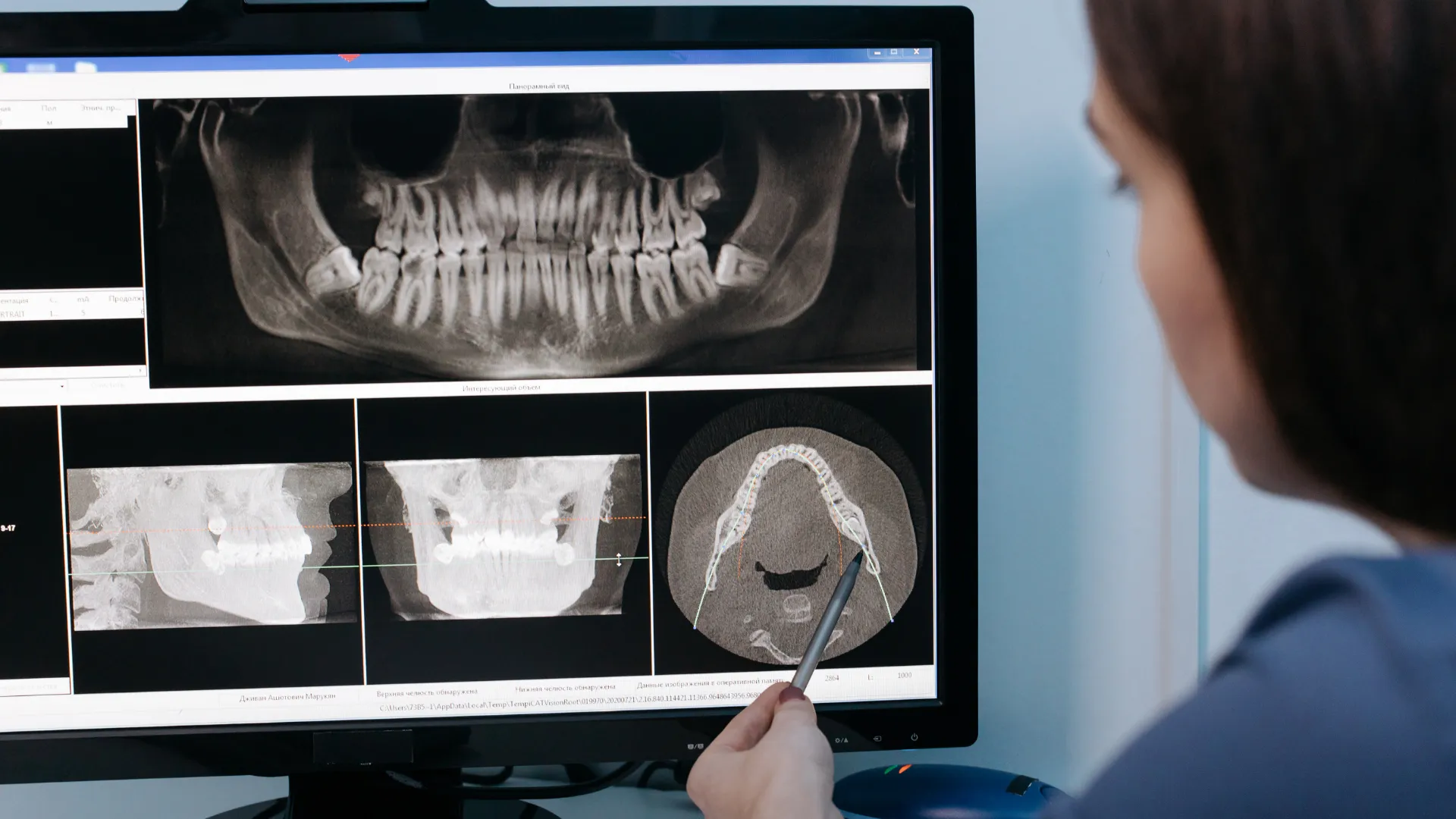
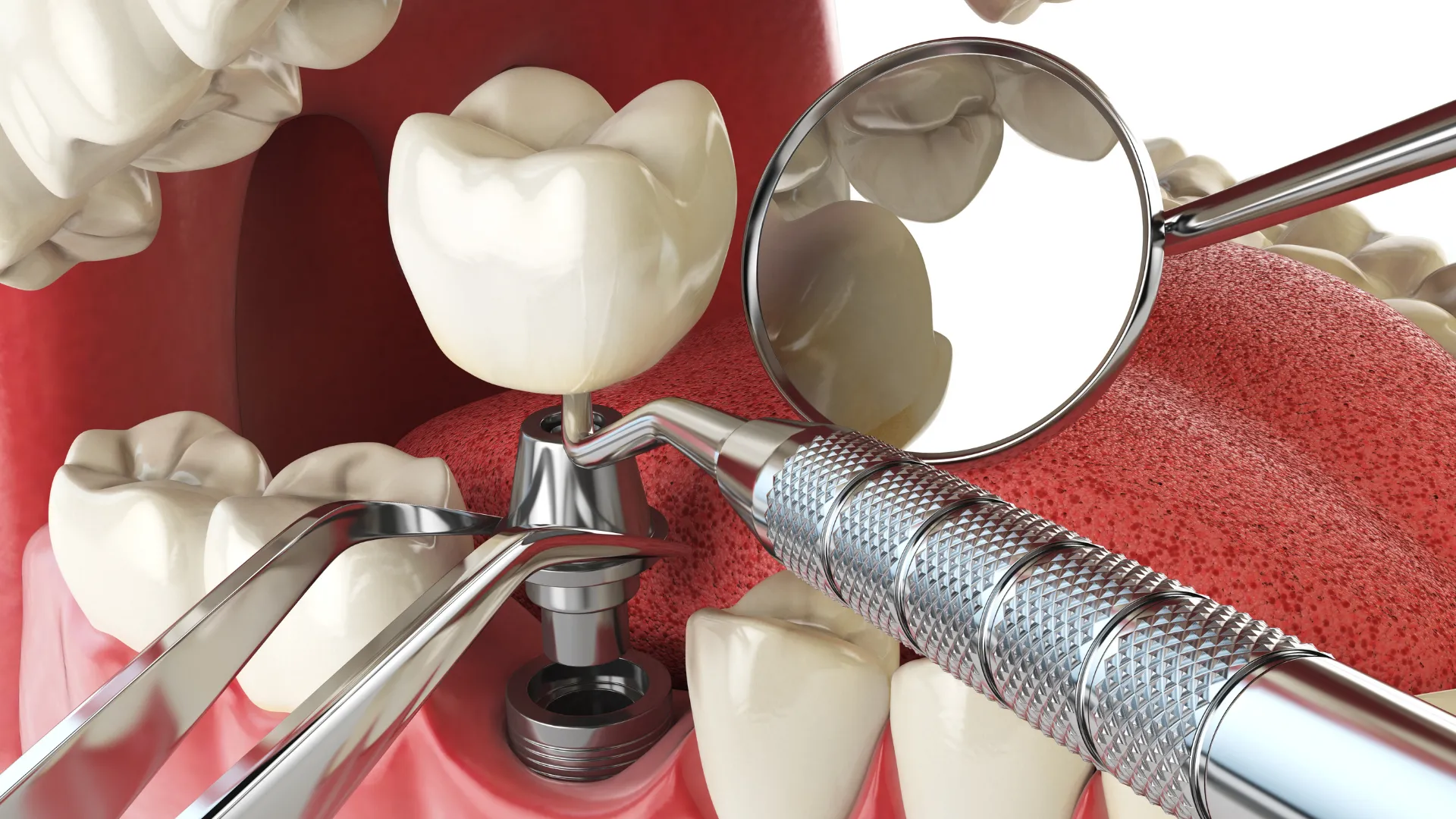
The process typically begins with an in-depth consultation, where diagnostics such as digital X-rays or 3D CBCT scans are used to evaluate bone density and oral health. This is followed by the surgical placement of a titanium implant into the jawbone. After placement, a healing period of several months allows the implant to integrate naturally with the bone—a process known as osseointegration. Only once this phase is complete can the final crown be attached, restoring both function and aesthetics.
Each stage involves different tools, technologies, and clinical expertise, which collectively contribute to the overall cost.
The Economic Reality of Operating in London
One of the most significant reasons dental implants are expensive in London is simply the cost of doing business in the city. London has exceptionally high commercial rent, staffing costs, and operational expenses compared to most other regions in Europe.
Dental clinics must maintain well-equipped facilities in prime locations, often paying substantial amounts for rent alone. In addition, highly trained dental professionals, nurses, and administrative staff require competitive salaries. Utilities, insurance, and ongoing operational costs further add to the financial burden.
All of these factors are indirectly reflected in the price patients pay for treatment.
Advanced Training and Specialist Expertise
Dental implantology is not a basic dental procedure. It requires a high level of surgical skill, as well as a deep understanding of bone biology, prosthetics, and digital planning.
In London, many implant dentists have undergone extensive postgraduate education and continue to invest in professional development throughout their careers. This includes advanced certifications, international training programs, and hands-on surgical courses.
Such expertise significantly improves treatment success rates and reduces complications. However, it also comes at a cost, as patients are essentially paying for years of training and experience—not just the procedure itself.
Strict Medical Regulations in the UK
The UK has some of the strictest healthcare regulations in the world, and dentistry is no exception. Clinics must adhere to rigorous standards related to hygiene, sterilization, patient safety, and equipment usage.
Maintaining compliance involves continuous investment in:
-
Sterilization systems and protocols
-
Certified medical equipment
-
Staff training and inspections
-
Regulatory approvals and documentation
While these regulations are essential for ensuring patient safety, they also increase operational costs, which are ultimately passed on to patients.
The Role of Technology in Modern Implant Dentistry
Modern dental implant procedures rely heavily on advanced technology. Tools such as 3D imaging, guided implant surgery, and digital smile design allow for greater accuracy and predictability.
For example, CBCT scans provide a detailed three-dimensional view of the jawbone, enabling precise implant placement and reducing surgical risks. Similarly, CAD/CAM systems are used to design and manufacture crowns with exceptional accuracy and aesthetics.
These technologies require significant investment, ongoing maintenance, and specialized training. While they improve outcomes, they also contribute to higher treatment costs.
Premium Materials and Implant Systems
Another important factor is the quality of materials used in implant dentistry. Most reputable clinics in London use high-end implant systems made from medical-grade titanium, often backed by years of clinical research.
These systems are designed to integrate seamlessly with bone and provide long-term stability. The crowns placed on top are typically made from durable, aesthetic materials such as zirconia or high-quality porcelain.
While cheaper alternatives exist, they may not offer the same reliability or longevity. London clinics tend to prioritize proven systems, which naturally increases costs.
Laboratory Work and Customization
Every dental implant restoration is custom-made for the individual patient. After the implant has integrated with the bone, a dental laboratory fabricates a crown that matches the shape, size, and color of the surrounding teeth.
In London, dental laboratories employ skilled technicians who use advanced techniques and materials to produce highly aesthetic results. However, the cost of skilled labor and materials in the UK is high, and this is reflected in the final treatment price.
A Time-Intensive Process
Unlike simpler dental treatments, implants require time and careful monitoring. From initial consultation to final restoration, the entire process can take several months.
During this period, multiple appointments are needed to ensure proper healing and successful integration of the implant. This long-term involvement requires ongoing clinical attention, which adds to the overall cost.
Market Demand and Private Healthcare Structure
London has a strong demand for high-quality dental and cosmetic treatments. Many clinics operate in a private healthcare environment where pricing reflects both demand and the level of service provided.
Additionally, dental implants are generally not covered by the NHS, and private insurance often provides limited support. As a result, patients typically pay out-of-pocket, making the costs more noticeable compared to other treatments.
How Much Do Dental Implants Cost in London?
While prices vary depending on the complexity of the case and the clinic, dental implants in London are typically among the most expensive in Europe.
A single implant can cost between £2,000 and £3,500, while full-mouth restorations can reach £20,000 or more. These figures reflect not only the procedure itself but also the broader economic and clinical factors discussed above.
Cost Breakdown: Why Dental Implants Are Expensive in London
| Cost Factor | Explanation | Impact on Price |
|---|---|---|
| Clinic Overheads | High rent, salaries, and operating costs in London | Very High |
| Specialist Expertise | Highly trained implantologists with advanced certifications | High |
| Technology | Use of CBCT scans, digital planning, and guided surgery | High |
| Materials | Premium implant brands and high-quality crowns (zirconia/porcelain) | High |
| Laboratory Work | Custom-made crowns by skilled UK dental technicians | Medium–High |
| Regulations | Strict UK compliance, sterilization, and safety standards | Medium–High |
| Treatment Time | Multiple visits over several months | Medium |
| Demand | High demand for private dental care in London | Medium |
Are Dental Implants Worth It?
Although the initial investment is high, dental implants are often considered the most cost-effective solution in the long term. Unlike dentures or bridges, they are designed to be a permanent solution and help preserve jawbone structure.
Patients benefit from improved comfort, better functionality, and a natural appearance. Over time, this can outweigh the upfront cost, particularly when compared to treatments that require frequent replacement.
Exploring More Affordable Options
Due to the high cost of dental implants in London, many patients consider alternatives outside the UK. In recent years, dental tourism has become increasingly popular, with patients traveling to other countries for high-quality treatment at lower prices.
These clinics often offer comparable technology and expertise but operate in regions with lower overhead costs. This allows them to provide the same procedures at a significantly reduced price, without compromising on quality.
Final Thoughts
The high cost of dental implants in London is not arbitrary. It reflects a combination of economic realities, clinical expertise, regulatory standards, and technological advancements.
Understanding these factors helps patients make informed decisions about their treatment. Whether choosing to proceed locally or explore options abroad, the key is to prioritize quality, safety, and long-term results.
Frequently Asked Questions
Why are dental implants more expensive in London than in other cities?
Because of higher operational costs, stricter regulations, and the concentration of highly trained specialists.
Do more expensive implants mean better results?
Not always, but higher costs often reflect better materials, advanced technology, and experienced clinicians.
How long do dental implants last?
With proper care, they can last 20 years or more, and in many cases, a lifetime.
Is it safe to get dental implants abroad?
Yes, provided you choose a reputable clinic with experienced specialists and modern facilities.
Book a Consultation
If you are considering dental implants and looking for a high-quality yet cost-effective solution, Sota Dental offers advanced implantology treatments tailored to international patients. Combining modern digital technology, experienced implant specialists, and personalized care, the clinic ensures precise, safe, and long-lasting results. Patients benefit from transparent pricing, efficient treatment timelines, and a structured approach from consultation to final restoration.
Booking a consultation allows you to receive a detailed treatment plan, understand your options, and take the first step toward restoring your smile with confidence.