
Over the past decade, a noticeable shift has taken place in the way patients from the United Kingdom approach full-mouth dental restoration. More people than ever before are choosing to replace dentures with fixed teeth in Europe, moving away from removable solutions toward permanent, implant-supported alternatives that offer a far superior quality of life.
This trend is not driven by a single factor. Instead, it is the result of changing patient expectations, advancements in implant dentistry, and the increasing accessibility of high-quality treatment across Europe. For many UK patients, dentures no longer meet their functional or aesthetic needs. They are now looking for solutions that feel natural, look natural, and allow them to live without the daily limitations associated with removable prosthetics.
At the same time, the rising cost of private dental care in the UK has made overseas treatment not only attractive, but often the most practical option. Europe has emerged as a leading destination where patients can receive advanced implant procedures, often completed within days, at a fraction of the cost.
Why Dentures Are No Longer the Preferred Solution
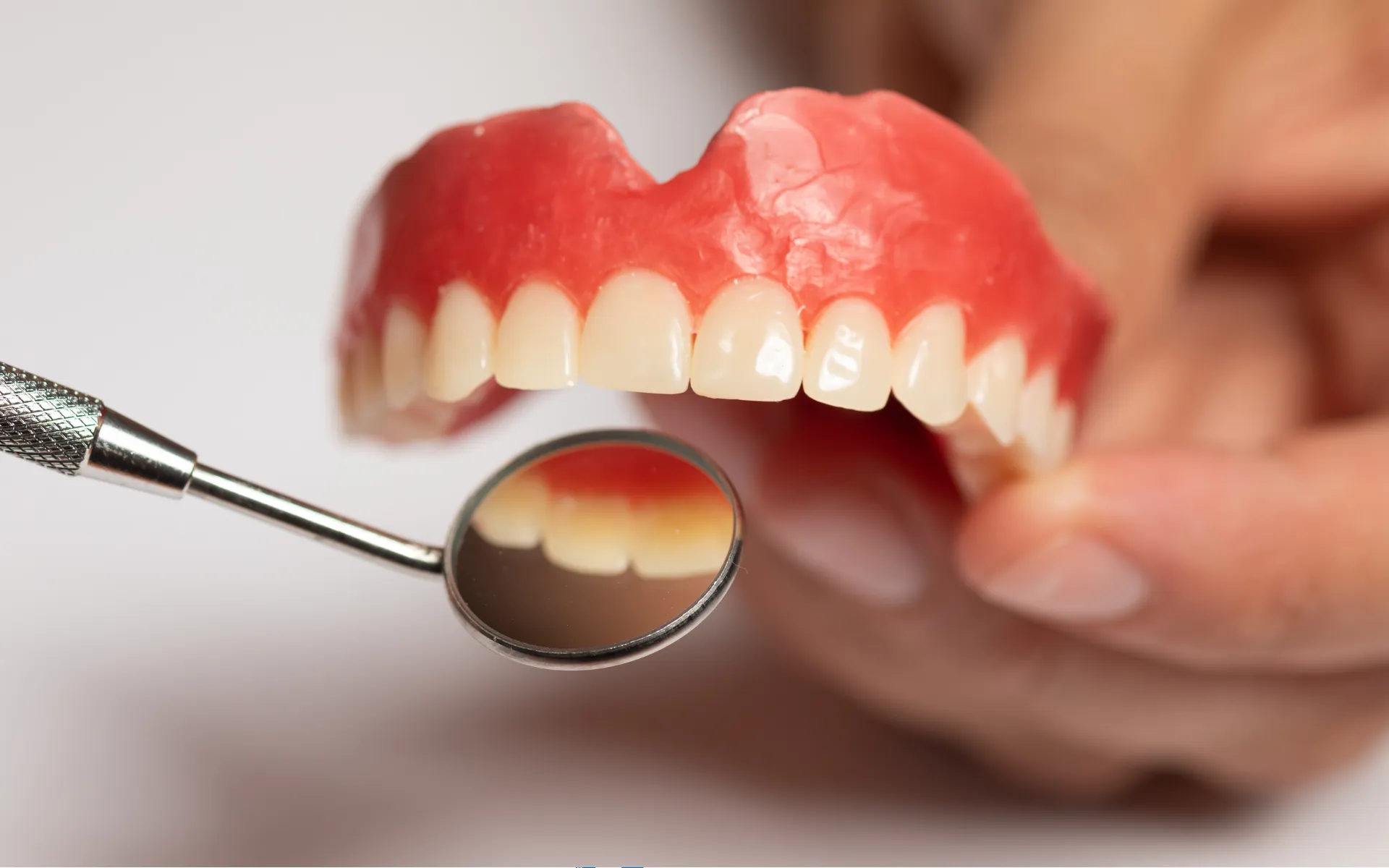
Dentures were once considered the standard treatment for missing teeth, particularly in full-arch cases. While they still serve a purpose in certain situations, many patients find that they fall short in key areas that affect everyday life.
One of the most common complaints is instability. Even well-made dentures can shift slightly when speaking or eating, creating a constant awareness that they are not natural teeth. Over time, this can lead to a lack of confidence in social situations, especially when eating in public or engaging in conversation.
Function is another major limitation. Denture wearers often need to avoid certain foods, particularly those that are hard or require strong biting force. This restriction not only affects enjoyment of food but can also impact overall nutrition. The inability to chew properly is something many patients underestimate until they experience the difference after switching to fixed teeth.
There is also a biological consequence that is often overlooked. Dentures do not stimulate the jawbone, which means that bone loss continues over time. As the bone shrinks, the fit of the denture worsens, leading to a cycle of adjustments, discomfort, and eventual replacement. This process can also alter facial structure, contributing to a prematurely aged appearance.
Daily maintenance further adds to the inconvenience. The need to remove dentures, clean them thoroughly, and rely on adhesives can become frustrating, particularly for younger or more active patients who want a simpler, more permanent solution.
For these reasons, many individuals in the UK are actively searching for ways to replace dentures with fixed teeth, seeking a solution that eliminates these drawbacks entirely.
Understanding Fixed Teeth: A Modern Alternative
Replacing dentures with fixed teeth typically involves the use of dental implants, which serve as artificial tooth roots anchored into the jawbone. These implants support a full arch of prosthetic teeth that are permanently secured in place, meaning they do not move, shift, or require removal.
What makes this approach fundamentally different from dentures is the integration with the bone. Implants fuse with the jaw through a process called osseointegration, creating a stable foundation that mimics natural tooth roots. This not only provides exceptional stability but also helps preserve bone structure over time.
Techniques such as All-on-4 or All-on-6 allow a full set of teeth to be supported by a limited number of implants, making the treatment more efficient and accessible. In many cases, patients can receive temporary fixed teeth within a very short period after surgery, allowing them to leave the clinic with a functional and aesthetic smile.
For UK patients, this represents a complete transformation. Instead of managing a removable appliance, they gain a fixed solution that behaves much like natural teeth in both function and appearance.
Dentures vs Fixed Teeth: What’s the Difference?
| Feature | Dentures | Fixed Teeth (Implants) |
|---|---|---|
| Stability | Can move or slip while eating or speaking | Permanently fixed, no movement |
| Comfort | May cause irritation or sore spots | Feels natural and secure |
| Chewing Ability | Limited, avoids hard foods | Strong bite, eat normally |
| Bone Preservation | Does not prevent bone loss | Stimulates jawbone, prevents bone loss |
| Maintenance | Requires removal and daily cleaning | Brushed like natural teeth |
| Longevity | Needs replacement every 5–10 years | Can last 20+ years or lifetime |
| Aesthetics | Can look artificial over time | Natural-looking smile |
| Confidence | May cause insecurity | Restores full confidence |
Cost Comparison: UK vs Europe
This second table is very powerful for conversions and SEO, especially for UK-targeted traffic:
| Treatment | Average Cost in UK | Average Cost in Europe |
|---|---|---|
| Single Dental Implant | £2,000 – £3,500 | £600 – £1,200 |
| All-on-4 (Full Arch) | £12,000 – £20,000 | £4,000 – £8,000 |
| Full Mouth Implants | £25,000 – £40,000 | £8,000 – £15,000 |
The Financial Reality Driving Patients Abroad
One of the most decisive factors behind this growing trend is cost. In the UK, full-mouth implant treatments can be prohibitively expensive, often ranging into tens of thousands of pounds. This places them out of reach for many patients, particularly when such treatments are not covered by public healthcare systems.
In contrast, European clinics are able to offer the same procedures at significantly lower prices without compromising on quality. Lower operational costs, combined with a strong focus on dental tourism, allow these clinics to provide comprehensive treatment packages that are far more accessible.
For patients researching how to replace dentures with fixed teeth in the UK, the price difference quickly becomes apparent. Even after factoring in travel and accommodation, the total cost in Europe can be dramatically lower, making it a financially logical decision.
However, cost alone is not enough to sustain this trend. Patients are also looking for value, which includes quality of care, expertise, and long-term results. This is where many European clinics have positioned themselves effectively, offering advanced implantology supported by modern technology and experienced clinicians.
Speed and Efficiency of Treatment
Another major advantage that attracts UK patients is the efficiency of treatment abroad. In the UK, the process of receiving implants can be lengthy, often involving multiple appointments spread over several months. Waiting times, referrals, and scheduling constraints can extend the overall timeline significantly.
European clinics, particularly those focused on international patients, have streamlined this process. Through careful planning and the use of digital technology, they are able to complete key stages of treatment within a much shorter timeframe.
It is not uncommon for patients to undergo implant placement and receive temporary fixed teeth within just a few days. This approach minimizes disruption to their daily lives and reduces the need for extended stays abroad.
For many individuals, especially those balancing work and family commitments, this level of efficiency is a decisive factor when choosing where to undergo treatment.
Clinical Advancements Supporting This Shift
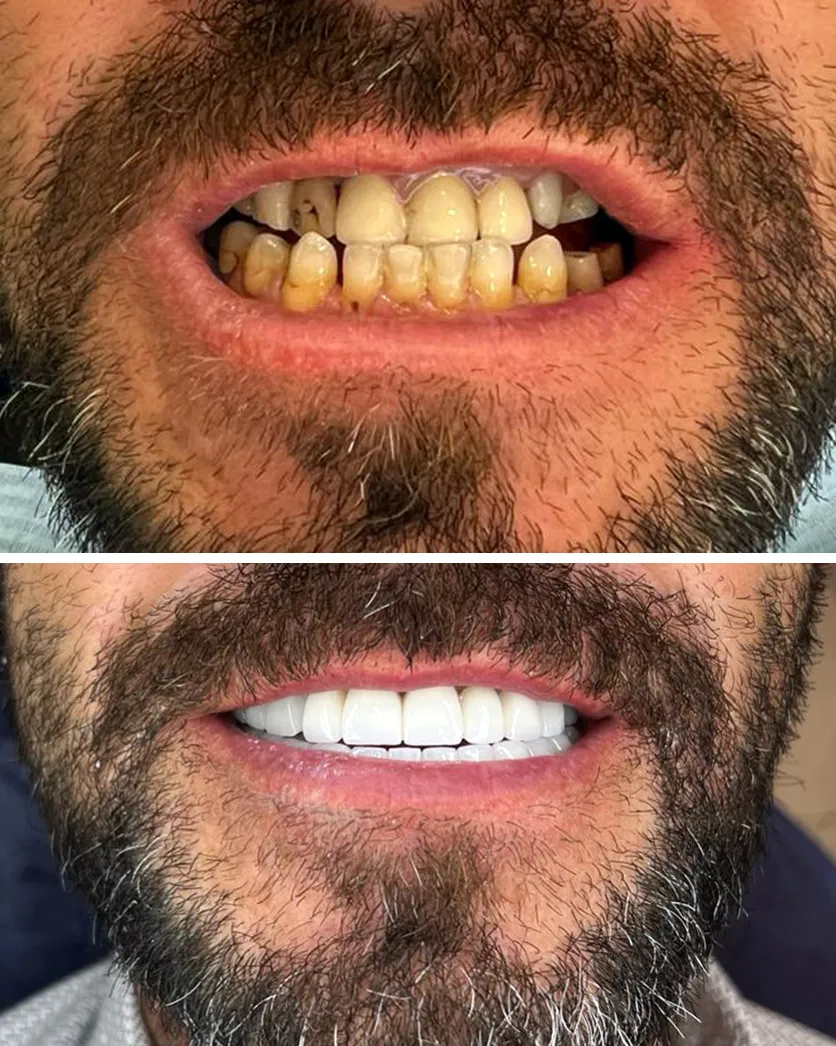
The rise in patients choosing to replace dentures with fixed teeth is also closely linked to advancements in dental technology. Modern implant procedures are more predictable, less invasive, and more adaptable than ever before.
Digital planning tools allow clinicians to design treatments with remarkable precision, ensuring optimal implant placement and aesthetic outcomes. Guided surgery techniques further enhance accuracy, reducing surgical time and improving recovery.
For patients with significant bone loss, which was once a major barrier to implants, solutions such as zygomatic implants now provide viable alternatives without the need for extensive grafting procedures. This expands the pool of patients who can benefit from fixed teeth, including those who were previously told they were not suitable candidates.
These innovations have fundamentally changed what is possible in implant dentistry, making fixed solutions accessible to a much wider range of patients.
Psychological and Lifestyle Impact
Beyond the clinical and financial aspects, the decision to replace dentures with fixed teeth has a profound impact on a patient’s daily life. The ability to eat without restriction, speak without concern, and smile with confidence cannot be overstated.
Many patients describe the transition as life-changing. Activities that were once a source of anxiety become effortless. Social interactions improve, and there is often a noticeable boost in self-esteem.
This psychological benefit is one of the most powerful drivers behind the growing demand. Patients are not just seeking a dental procedure; they are seeking a restoration of normality and confidence.
Safety Considerations for UK Patients
Understandably, some patients may initially have concerns about traveling abroad for dental treatment. Questions about safety, standards, and aftercare are common and valid.
Reputable European clinics address these concerns by adhering to international standards, using globally recognized implant systems, and maintaining transparent communication throughout the treatment process. Many also provide structured follow-up plans to ensure continuity of care once the patient returns to the UK.
The key lies in careful research and selecting a clinic with a proven track record in implantology. When this is done correctly, the risks are minimized, and the benefits can be substantial.
Why This Trend Is Growing Rapidly
The shift from dentures to fixed teeth is not a temporary trend—it reflects a long-term change in patient expectations.
Modern patients want:
- Permanent solutions
- Better aesthetics
- Higher comfort
- Faster results
- Affordable treatment
Europe has positioned itself as a leading destination that meets all these demands.
Conclusion
The decision to replace dentures with fixed teeth in Europe reflects a broader evolution in dental care. Patients are no longer willing to accept the limitations of removable solutions when more advanced, permanent options are available.
For UK patients in particular, the combination of high domestic costs and accessible, high-quality treatment abroad has created a compelling alternative. Fixed teeth supported by implants offer not only functional and aesthetic improvements but also a lasting solution that enhances overall quality of life.
As technology continues to advance and awareness grows, this trend is likely to accelerate. What was once considered a complex and exclusive treatment is now becoming the preferred standard for full-mouth rehabilitation.
If you are currently wearing dentures and considering a more permanent solution, exploring the option to replace them with fixed teeth could be a transformative step. A professional consultation can provide clarity on your suitability and outline a treatment plan tailored to your needs.